画像処理中です...



ブルンジと日本の若者
サッカーの力で、アフリカの若者に笑顔を、日本の若者に世界へのきっかけを届ける!



みんなの応援コメント


FOR GOOD
プロジェクト実行者が支援金を全額受け取れるよう、支援者さまからのシステム利用料(220円+決済手数料5%)により運営しています。




2025/12/14 03:05
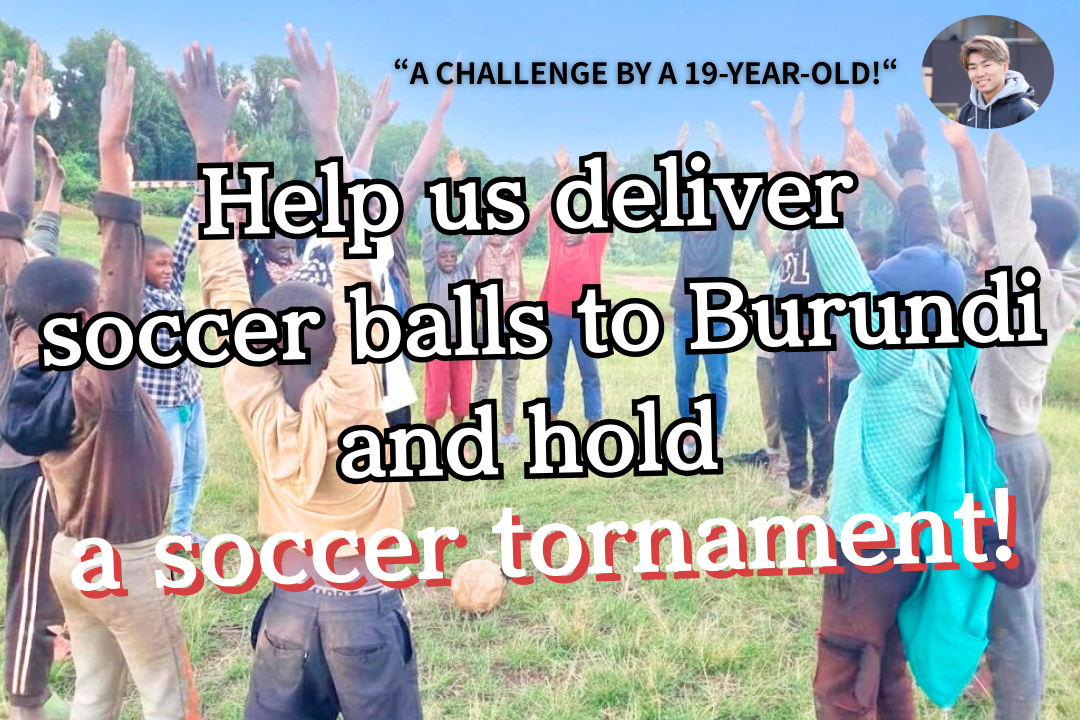
Through the power of soccer, we bring smiles to African youth and opportunities to the world for Japanese youth!
| Hello everyone!
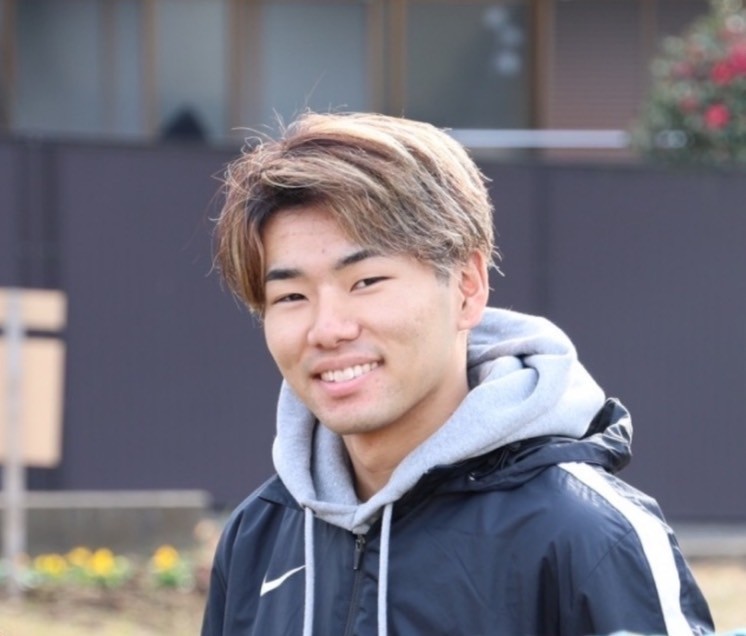
Thank you for visiting this page. My name is Kotaro Yamauchi. I am 19 years old and the founder and representative of this project!
Since starting university, I have been challenging myself to do absolutely everything I wanted to do. But among all of them, this is what I want to do the most right now. I want to deliver soccer balls to the children in Burundi!!!
I wrote this message with all my heart, reflecting on my past experiences. I would be very happy if you could read it through to the end!
〈the members〉
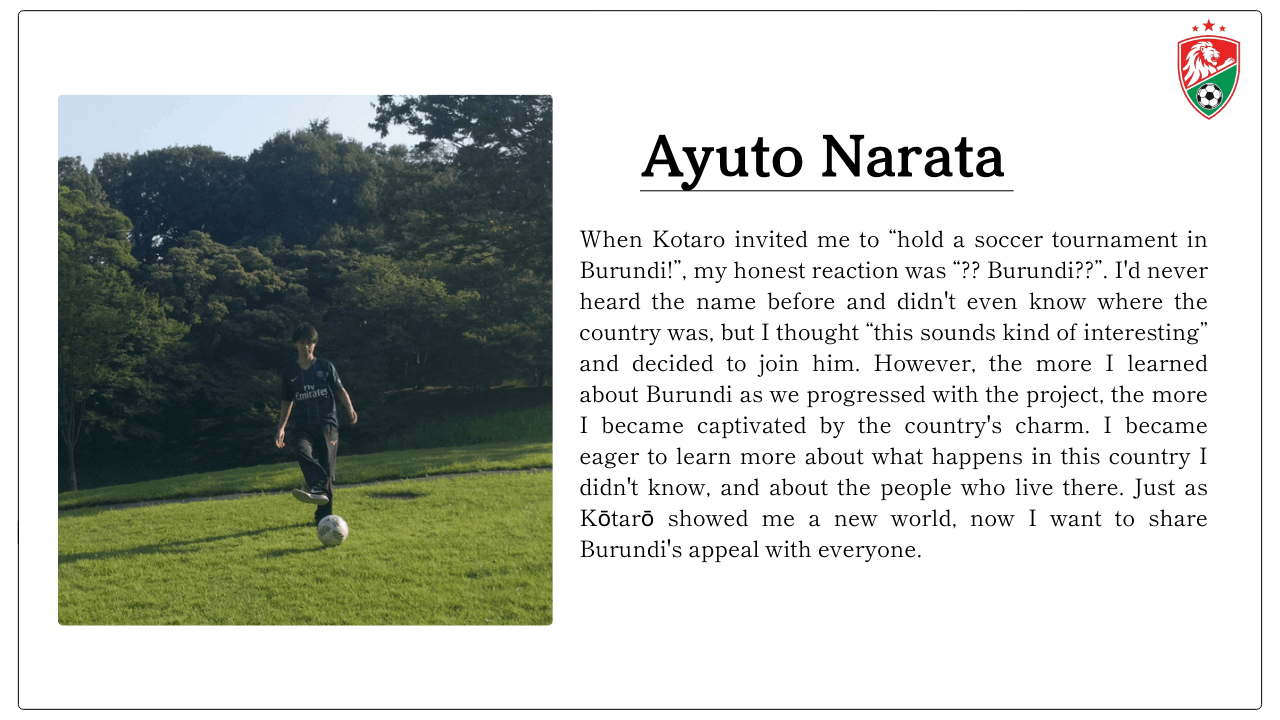
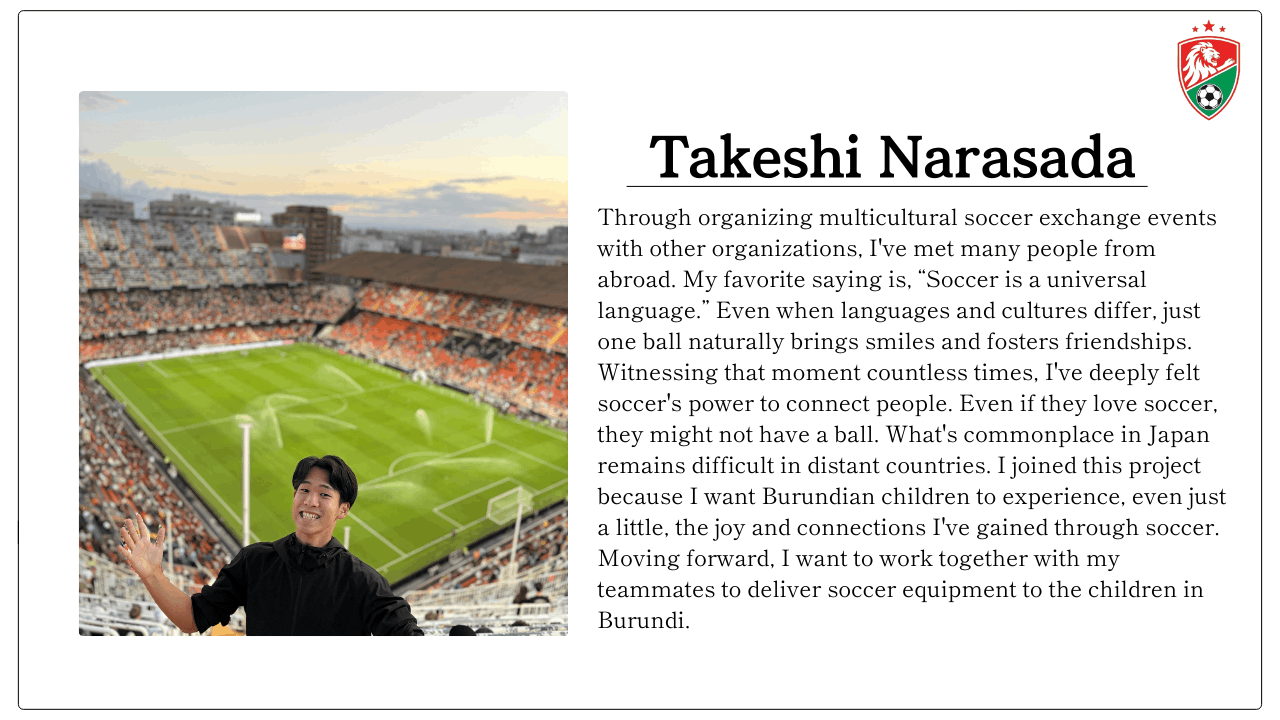
1. My Motivation
Soccer has helped me so many times. Now, I want to use that power to help others.
"Soccer has the power to unite the world."
We hear this phrase often. Until a few years ago, I used to just let those words pass me by. But now? That phrase pierces my heart. Soccer is truly amazing. Even without a shared language, a single ball allows us to connect on a deep, emotional level.
Overcoming Loneliness, I have experienced moving to a new city twice in my life. Moving to a place where I had no friends was incredibly painful. But soccer can be played anywhere. Once we play together, we are teammates; we are friends.
When I was nine, I went to a soccer event the very next day after moving to my current town. I just enjoyed playing. On the first day of school after spring break, I was sitting alone in class. Suddenly, a few classmates called out, "Hey, weren\'t you playing soccer the other day!?" Thanks to that, I was invited to a local club team, and I made so many friends both at school and on the field.
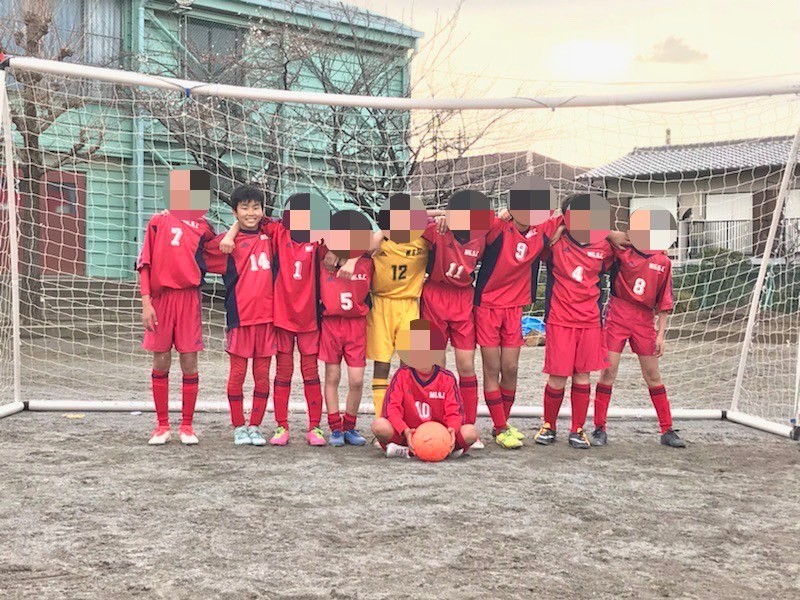
That was the first moment I truly felt glad I played soccer. Before that, I had told my parents many times that I wanted to quit. I was the type of kid who quit other hobbies quickly, but for some reason, my parents wouldn\'t let me quit soccer. Looking back now, I am so grateful they didn\'t let me give up.
Breaking Stereotypes, when I was 13, I participated in a soccer expedition to China—my first time overseas. Before going, I had the negative images I saw on the news, and honestly didn\'t have a good impression of the country.
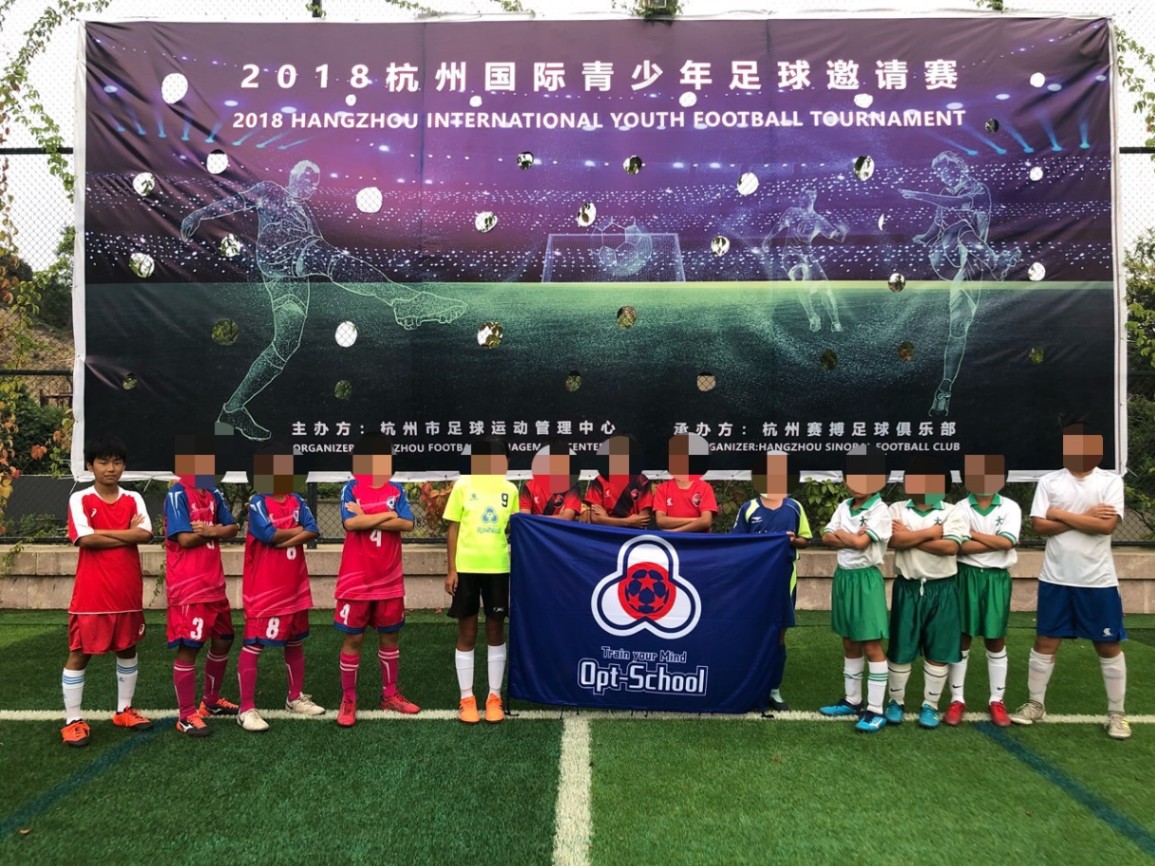
But when I actually visited, the air was the same as in Japan, the people were kind, and the food was delicious. I reflected on my prejudice and realized a crucial lesson:
I must see things with my own eyes and feel them for myself, rather than just believing what I hear.
Supported by friends I made through soccer, and having learned about the world through soccer, I started this project because I wanted to give back through the sport I love.
Why Burundi?
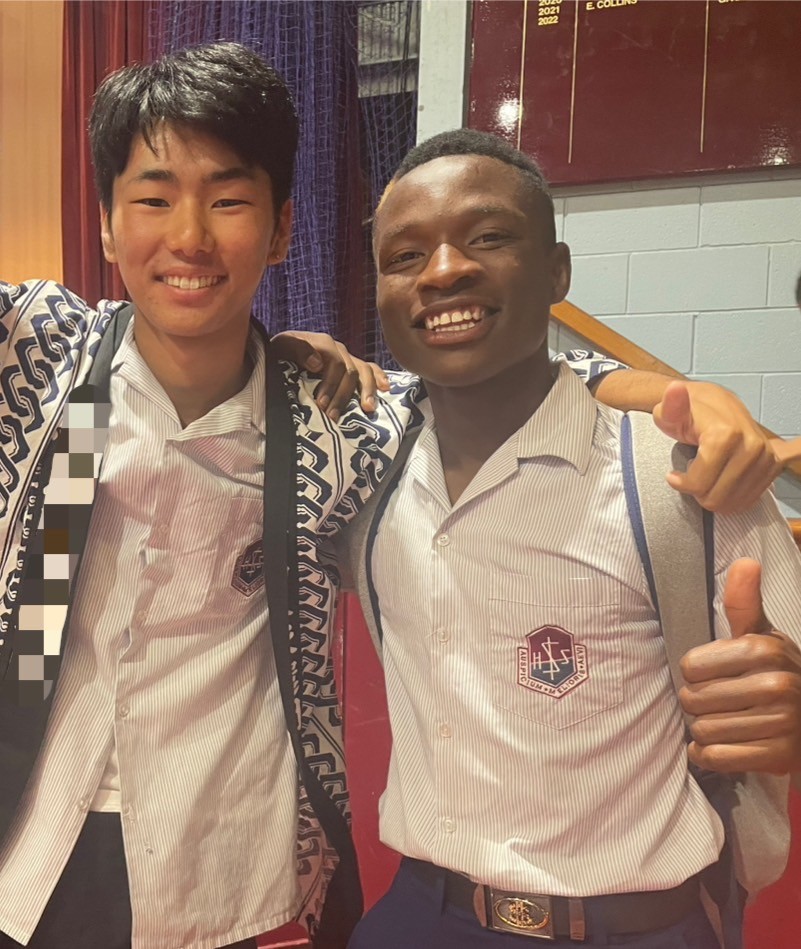
Meeting my best friend, Amerique. When I studied abroad in Australia during high school, soccer once again helped me make my first friends. I was invited to play during break time, and there was Amerique, a refugee from Burundi, in the group.
He is my best friend—someone I can compete with while maintaining deep mutual respect. He loves soccer too.
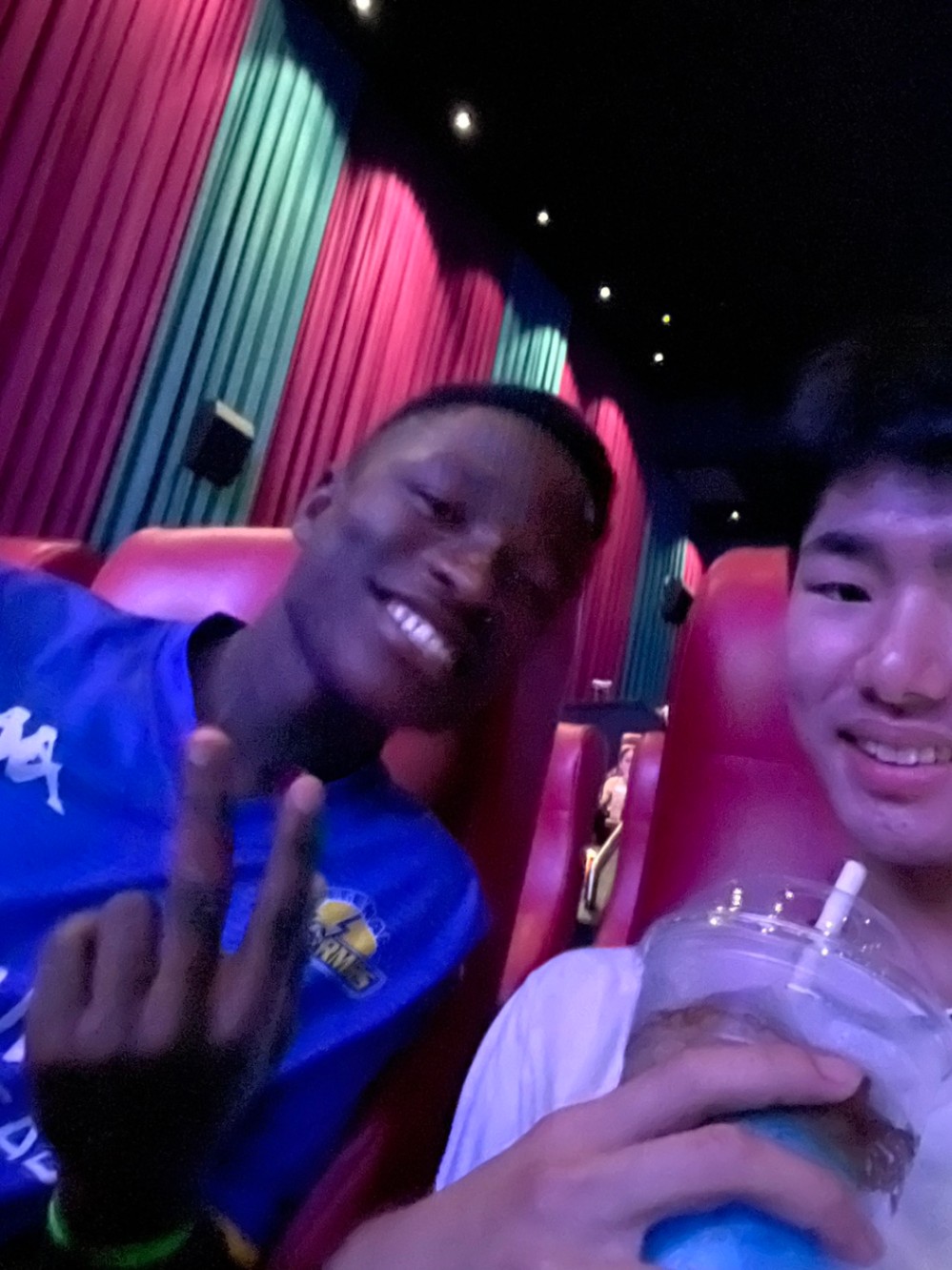
We went to movies, fishing, and BBQs together. We still keep in touch often after coming back to Japan. Actually, he was supposed to come with me on this trip to Burundi. But unfortunately, plans changed, and he can\'t make it... (tears).
I rarely heard stories about Burundi from Amerique. As a high school student, I didn\'t even know if it was okay to ask. I knew from him that he was from the capital, Bujumbura, and from my teacher that he was a refugee, but I could only research Burundi on the internet.
However, I kept thinking:
"Someday, I want to visit Amerique\'s homeland."
"I must visit the country that Amerique was born and raised—so kind, empathetic, and who loves soccer so much!"
The Birth of the Project
Amerique, and I met in Australia—neither Japan nor Burundi—connected purely through soccer. To repay the sport that connected us, I decided to deliver soccer balls to his homeland.
I am setting off on a trip around the world next year. Of course, when planning my route, the first place that came to my mind was Burundi.
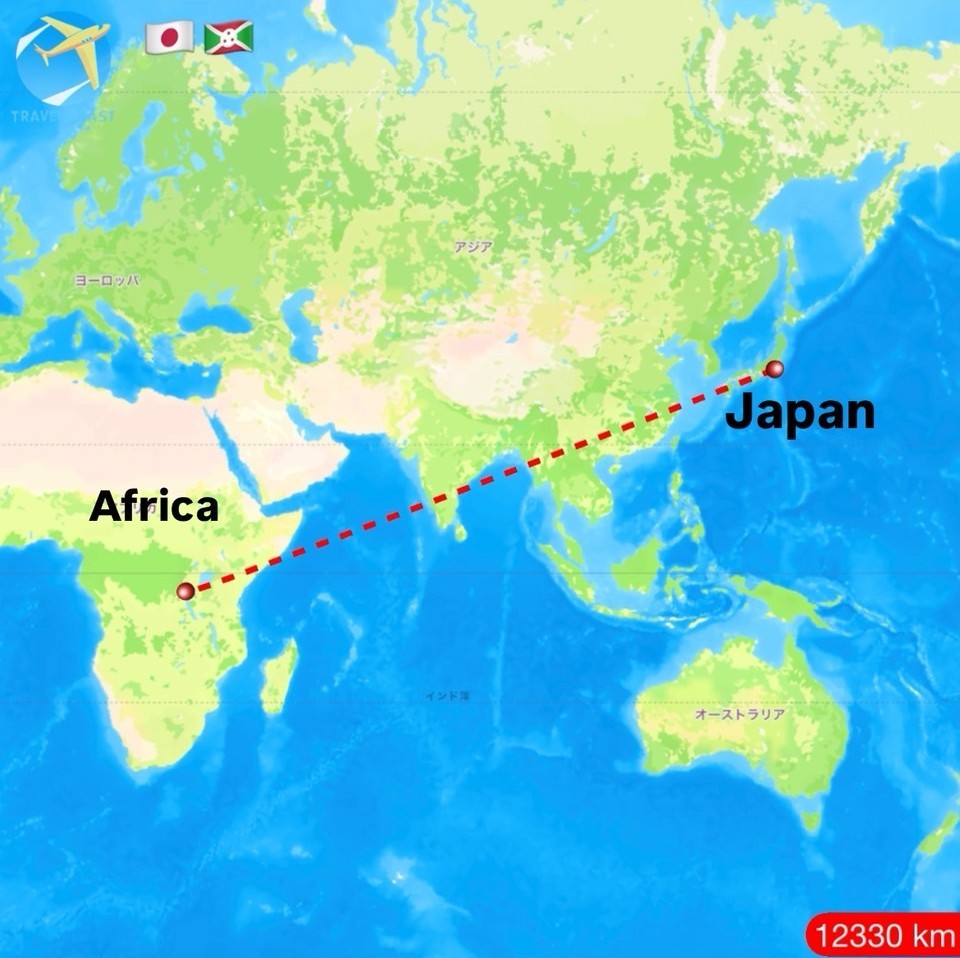
I planned to play soccer with the local children. But as I thought about it, I realized that there are children in Burundi who don\'t have soccer balls to play with.
"Then why don\'t I just bring the balls myself?"
That simple thought was the beginning of this project.
2. About Burundi
"Do you know Burundi?"
I have asked this question to so many people since starting this project. Almost everyone answers, "No!" or "I\'ve heard the name, but..." Until a few years ago, it was just a distant, unknown country to me, too.
Let me introduce you to Burundi!
Officially known as the Republic of Burundi. It is a small landlocked country in East Africa, surrounded by Rwanda, Tanzania, and the Democratic Republic of the Congo. It is roughly the size of the Kanto region in Japan (or about the size of Maryland or Belgium).
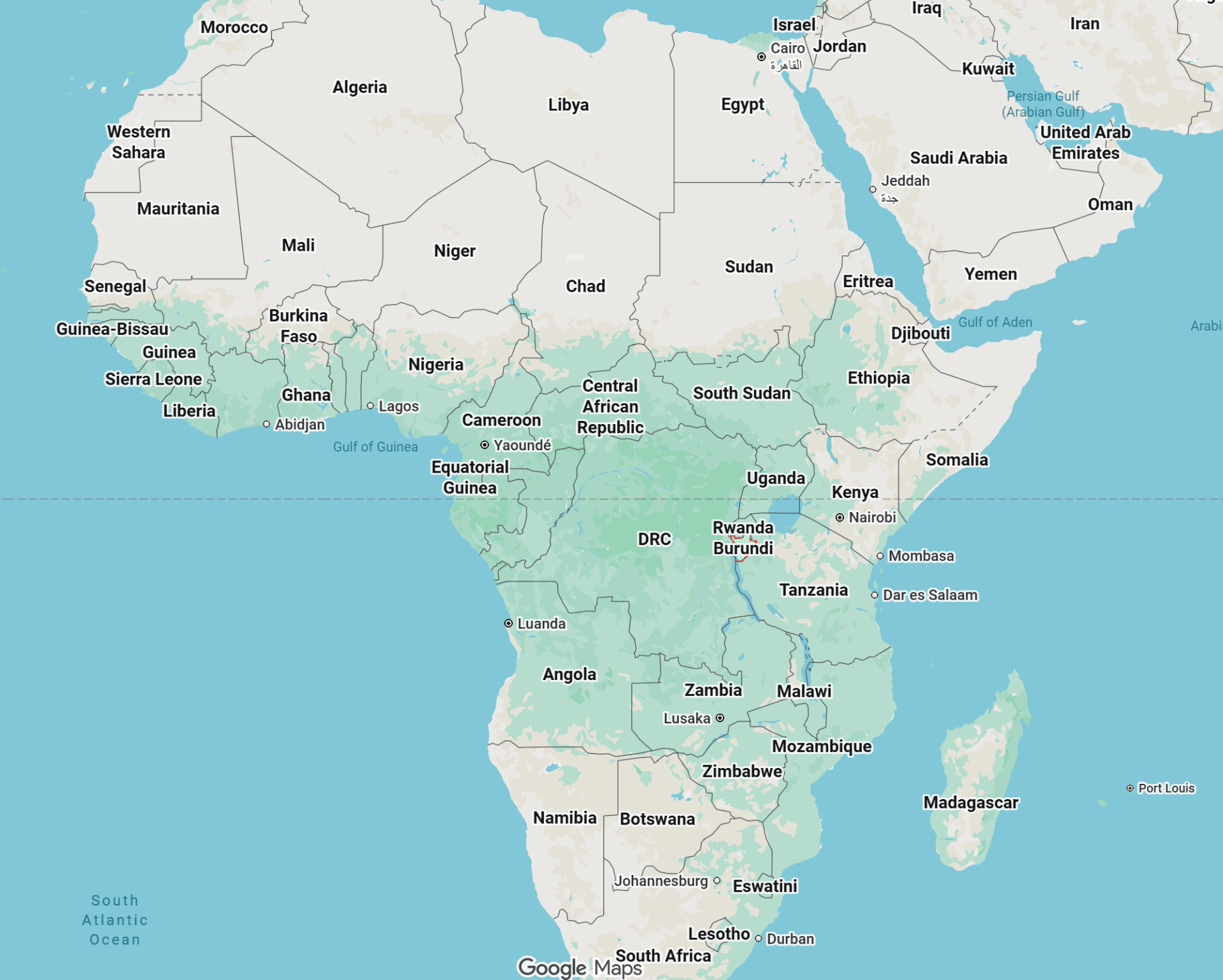
The official languages are Kirundi and French (from the colonial era). Economically, it is one of the poorest nations in the world, with the second-lowest GDP per capita. However, it is also a country bursting with youth and hope: over half the population is under 17, and the median age is just 16.4.
But behind these numbers lies a harsh reality: a history of civil war, poverty, and a healthcare system where 47.5 out of every 1,000 children do not survive past the age of five.
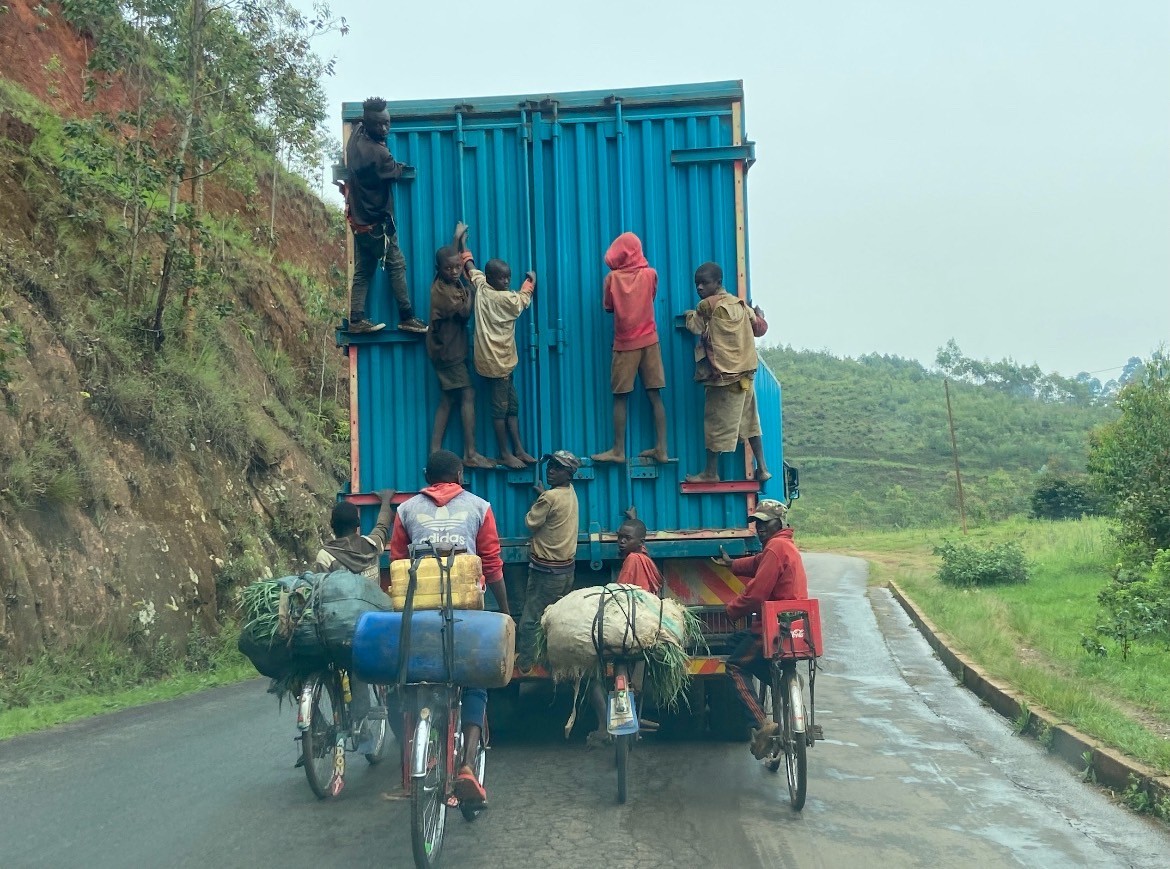
The History of Conflict
Burundi was once a kingdom where the minority Tutsi (ruling class) and majority Hutu (subject class) coexisted relatively peacefully. However, under Belgian colonial rule, the Tutsis were favored, deepening the divide between the ethnic groups.
After independence in 1962, the Tutsis retained power, leading to Hutu uprisings, coups, and massacres. In 1972, large-scale retaliatory killings of Hutus occurred, creating a massive rift and forcing hundreds of thousands to flee to neighboring countries.
In 1993, the first democratically elected president (a Hutu) was assassinated by the Tutsi-led military shortly after taking office. This triggered a brutal civil war that lasted over a decade and claimed an estimated 300,000 lives.
Although a peace agreement was reached in 2000 and democratic elections were held in 2005, political instability returned in 2015, causing a new refugee crisis with over 400,000 people fleeing the country.
Moving Forward Today, despite facing poverty, development challenges, and lingering political instability, Burundi is striving for recovery and stability, walking slowly but surely away from the shadows of its past.
3. What We Want to Achieve
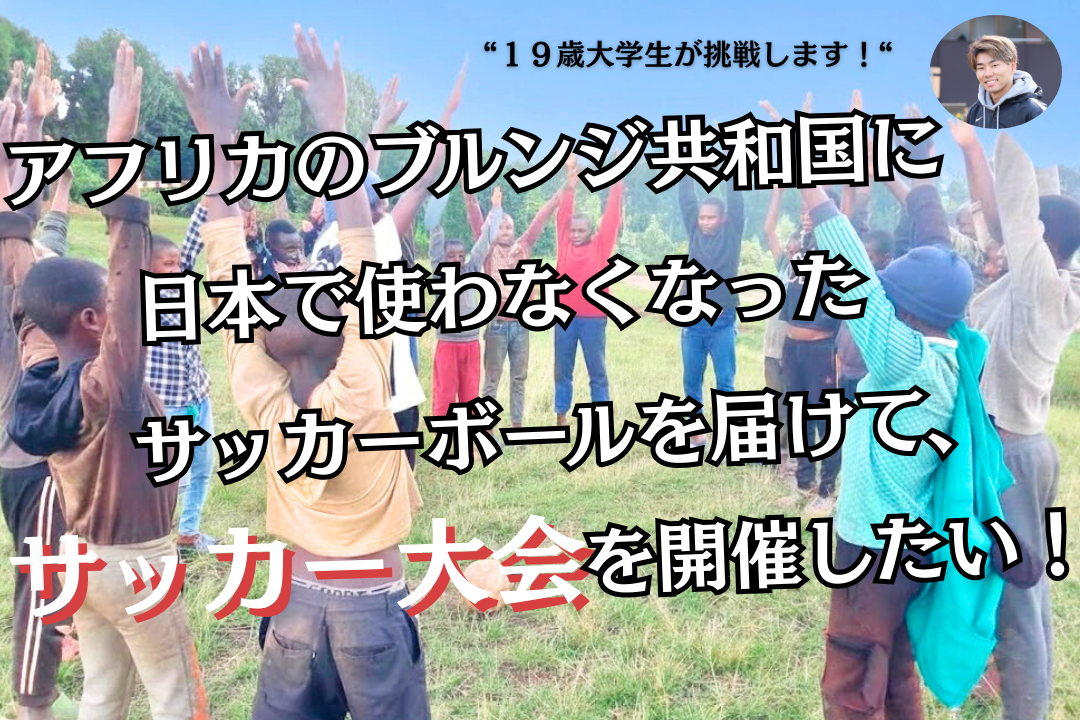
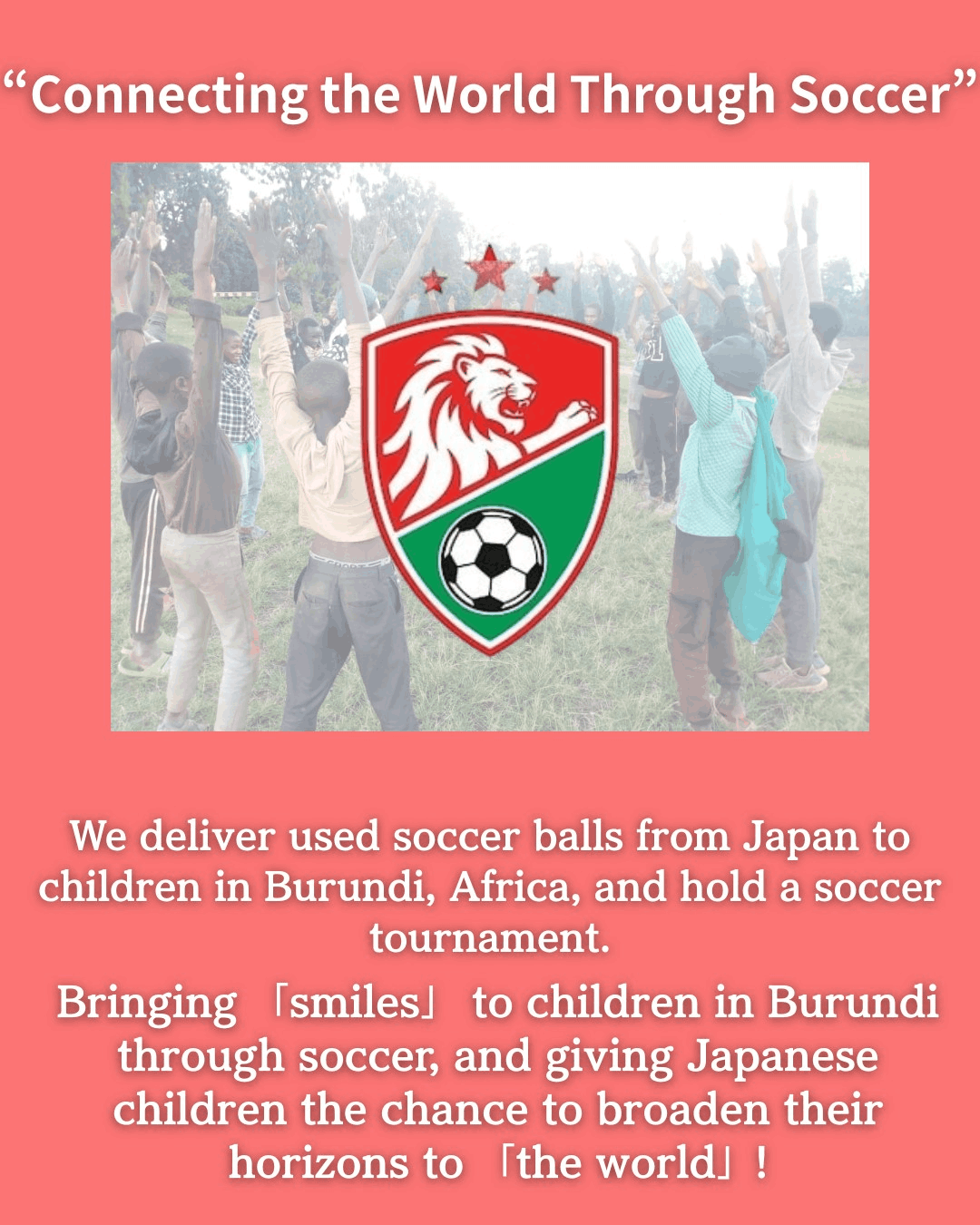
We are bringing used soccer balls from Japan to the Republic of Burundi in Africa to host a soccer tournament!
We will deliver 100 soccer balls, donated by elementary, junior high, and high school soccer clubs across Japan, to the children in Burundi. We will also donate other soccer equipment, such as uniforms and boots.
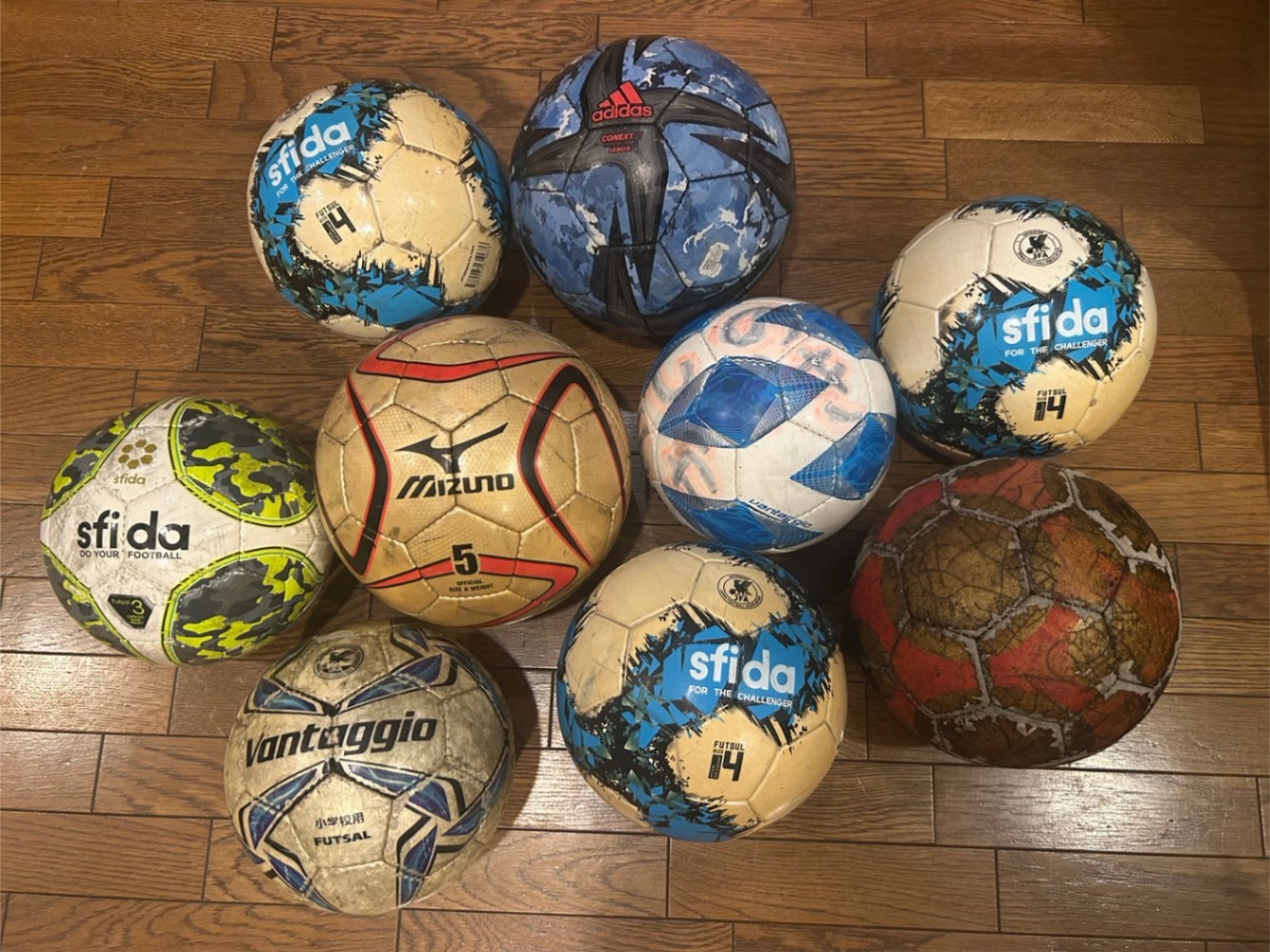
Three Days of Connecting with Burundian Children Through Soccer
Day 1 — School Visit & Soccer Ball Donation
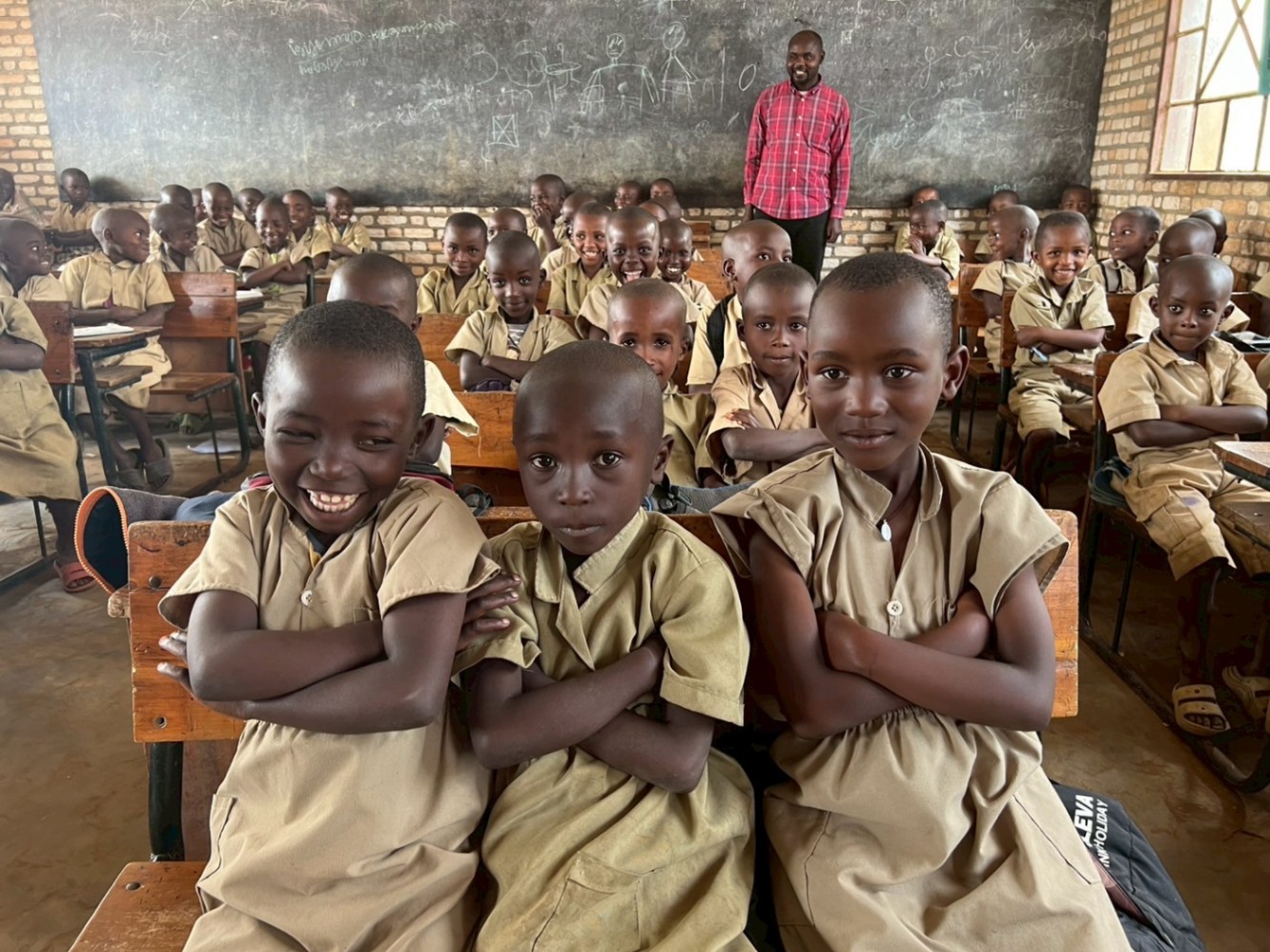
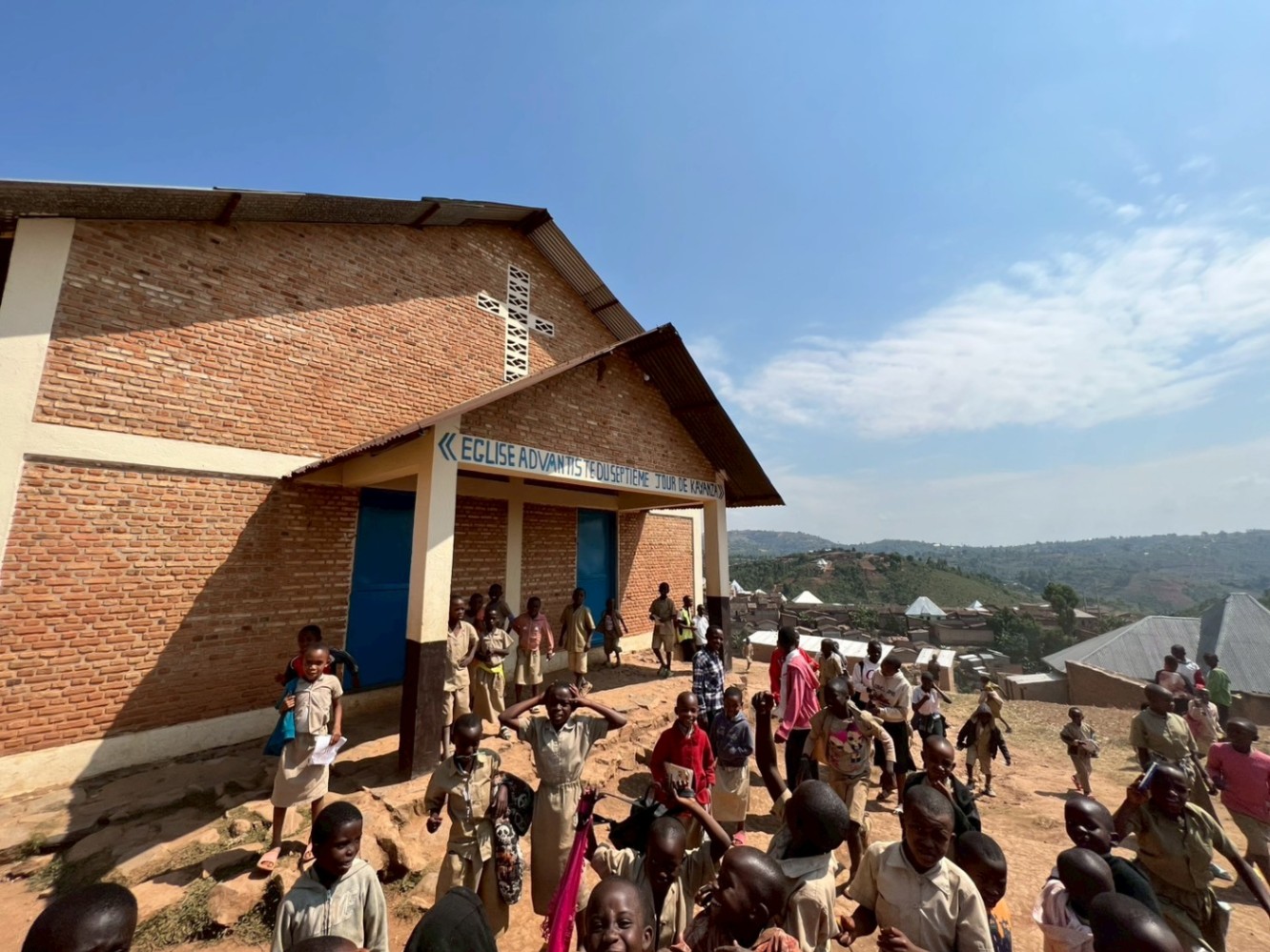
We will visit schools to interact with the children and donate soccer balls. The balls we are donating are precious gifts entrusted to us by the many people who support this activity. Each and every ball is packed with memories and sentiments from the players who used them in Japan. Taking these thoughts to heart, we will hand-deliver them to the children in Burundi.
Day 2 — The Soccer Tournament
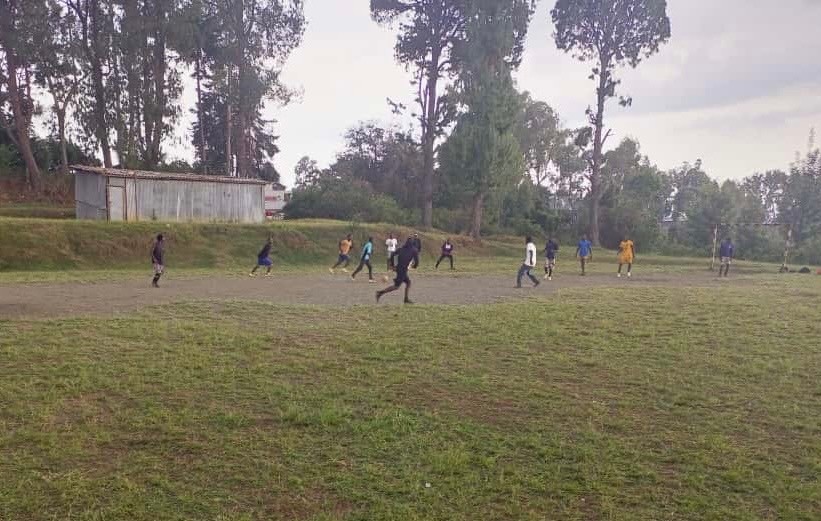
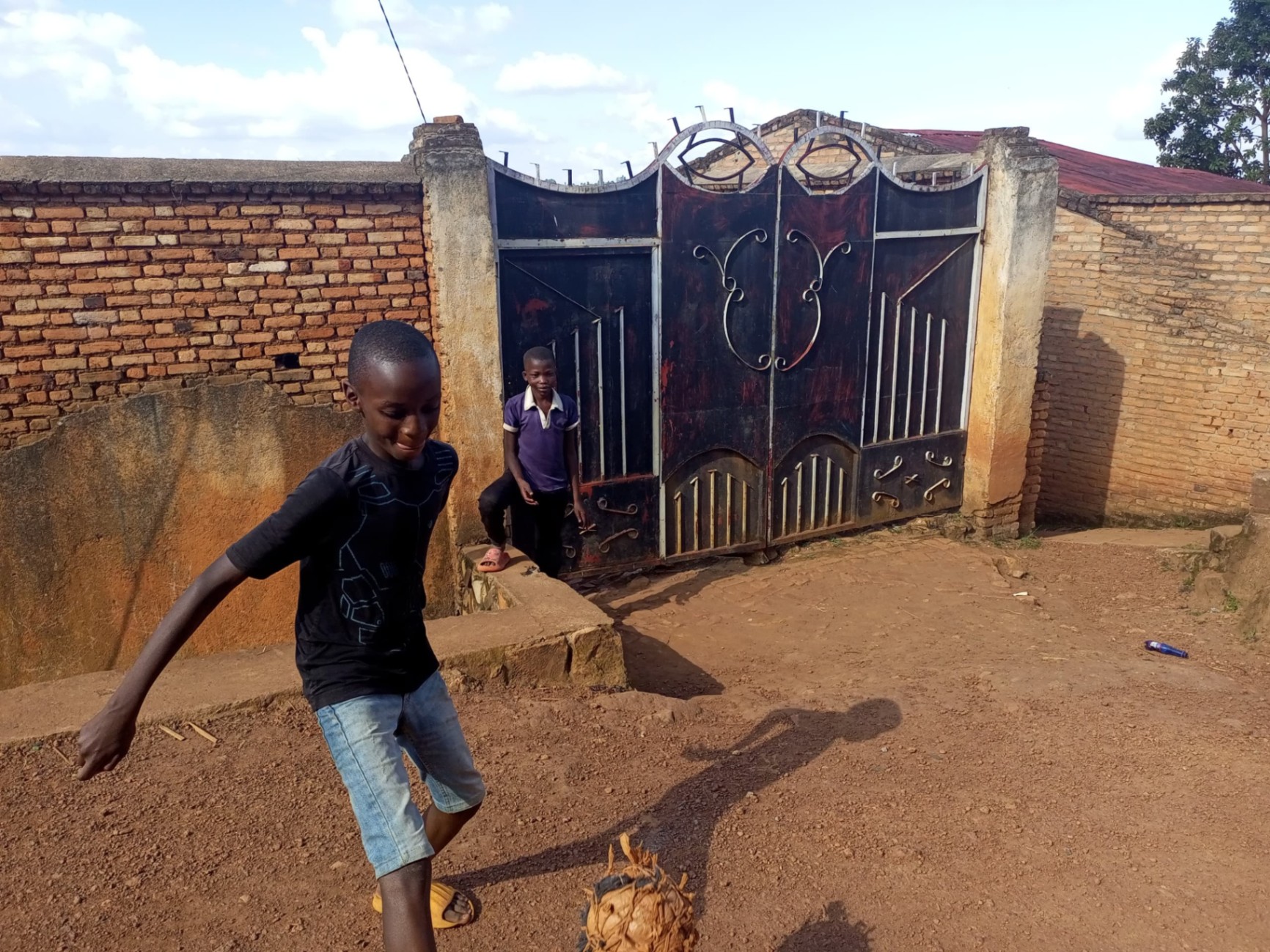
We plan to invite local soccer teams and street children, with about 50 children participating. This tournament is not a competition for victory. The purpose is to help them learn the importance of teamwork and the discipline of following rules through soccer, and above all, to let them purely enjoy the game. We hope that the friends they meet and the experiences they have here will become a positive asset for their future.
Day 3 — "Sharing Dreams" Session
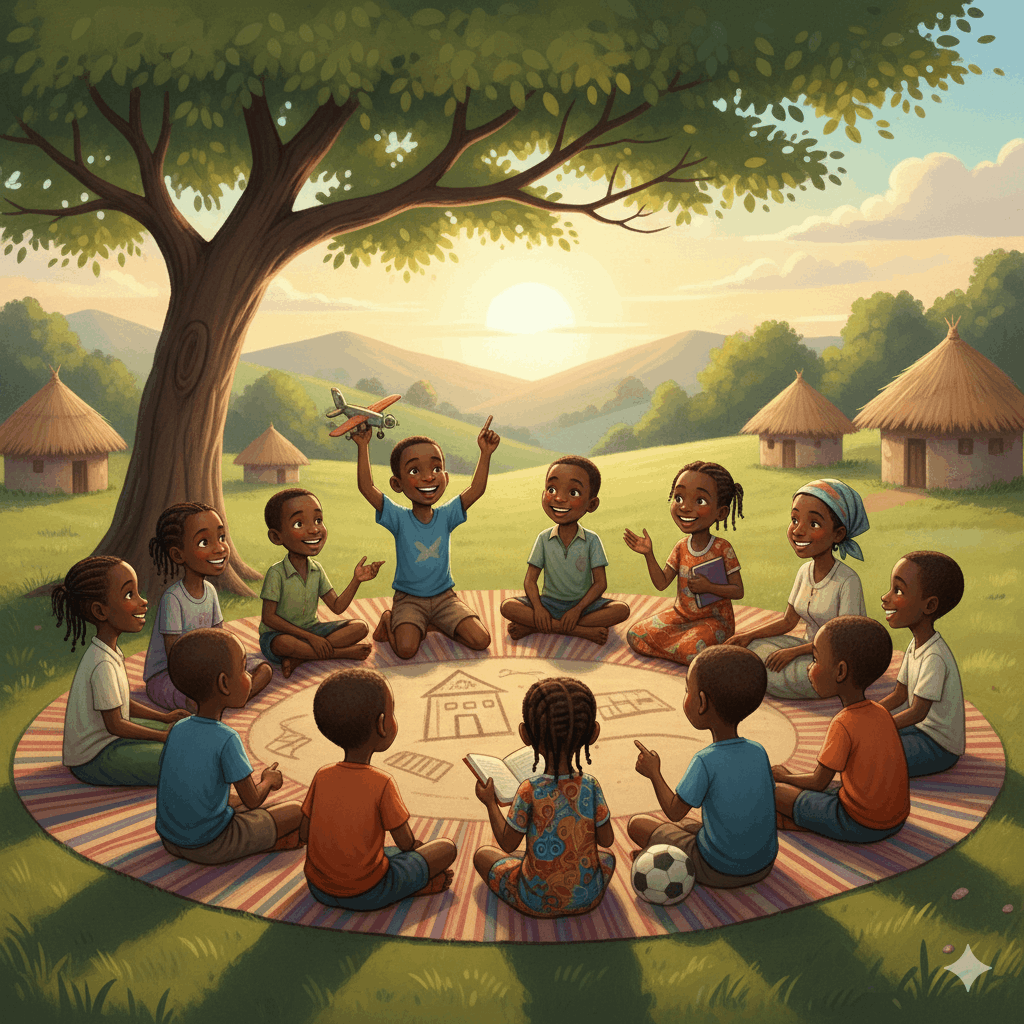
We will hold a "Dream Sharing Session" and a social gathering for about 100 people. We will all share lunch to deepen our connection. Our project members will honestly share their own dreams and the passion behind this activity, aiming to give the children the courage to take a step forward. What we look forward to most is hearing directly from the Burundian children about the earnest, hope-filled "dreams" they hold in their hearts. "I want to be a soccer player," "I want to be a teacher," "I want to be a doctor..."
The dreams they speak of are the future of Burundi itself. We hope that someday, when they face difficulties, they will remember us—the people who played soccer and talked with them—and remember Japan. We want them to recall that there are people cheering for their dreams, and use that memory as strength to keep looking forward.
4. Purpose of the Project
This project has two main objectives.
1. To deliver soccer balls to the children in Burundi so they can fully enjoy the game.
As mentioned earlier, Burundi is a country overflowing with youth and hope, with more than half of the population under the age of 17 (and a median age of 16.4).
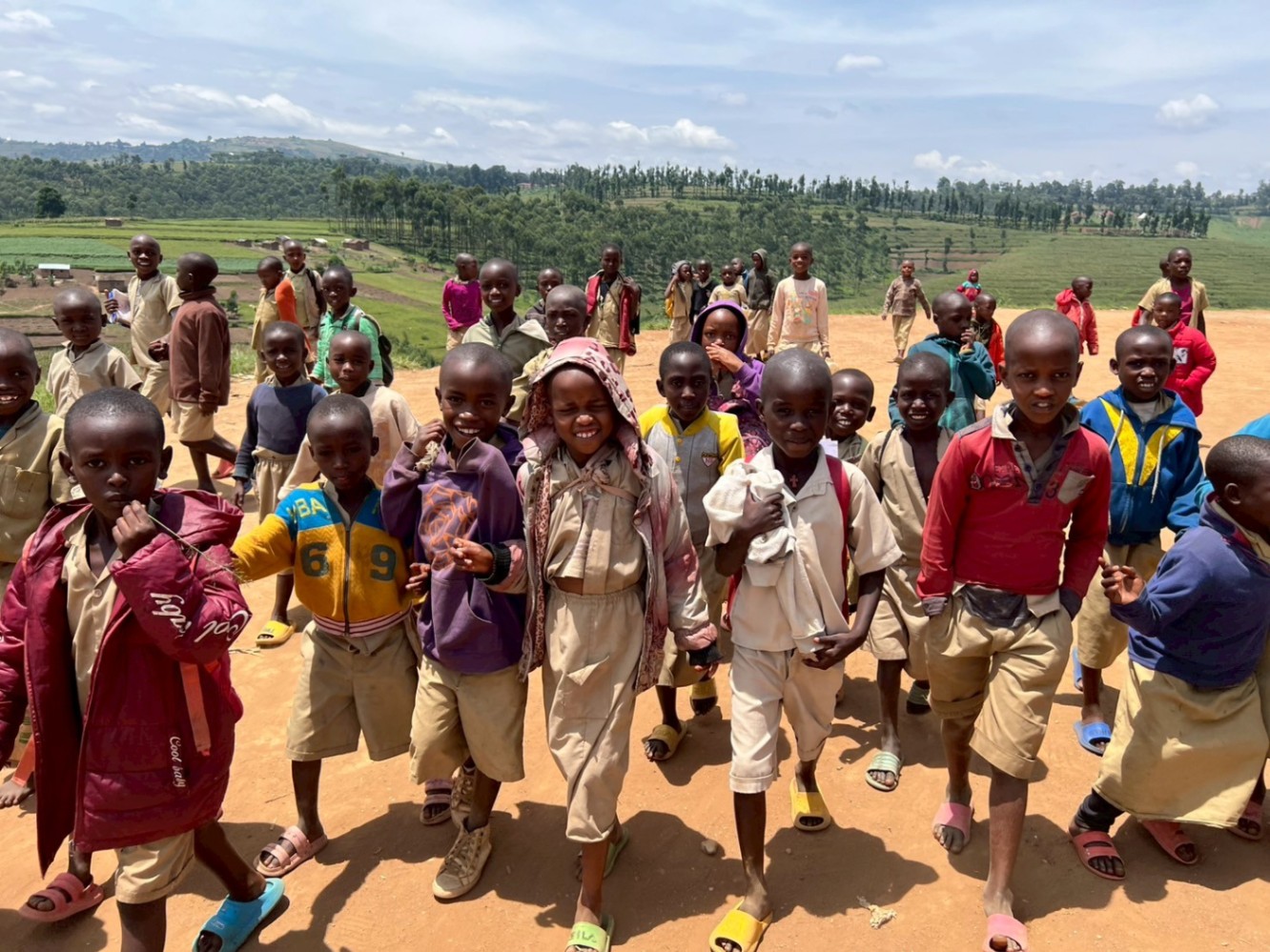
However, behind this vitality lies a history of civil war that continued until recently, as well as serious issues regarding healthcare, hygiene, and poverty—evidenced by a child mortality rate where 47.5 out of 1,000 children do not survive past the age of five.
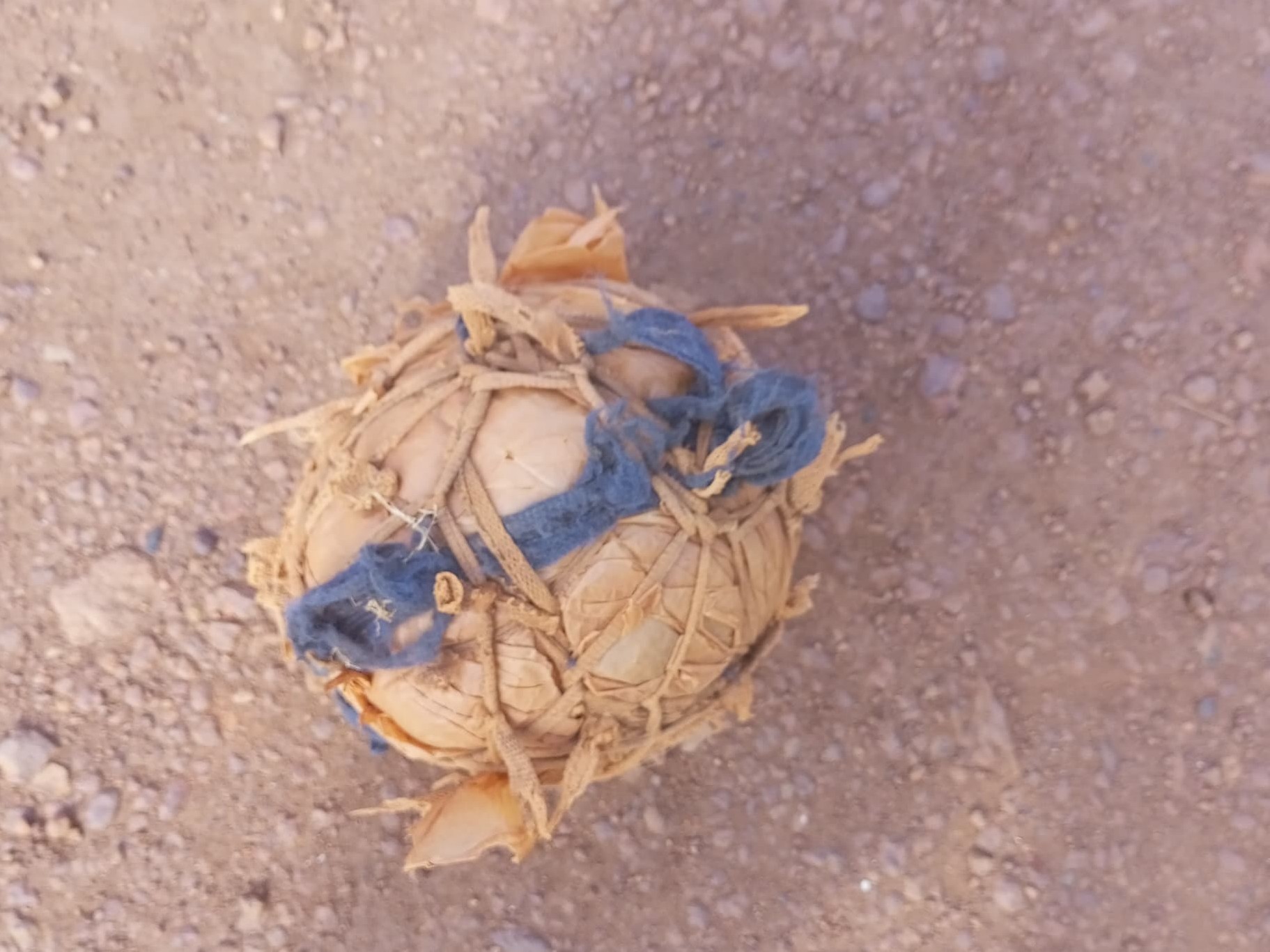
Amid these circumstances, it is common to see children in Burundi playing with rags rolled up into the shape of a ball. We are undertaking this initiative to ensure these children can enjoy soccer with all their might, and to help them realize that a single ball can bridge borders and connect hearts.
2. To create an opportunity for Japanese children to broaden their global horizons.
The reason we collect used balls from elementary, junior high, and high school students instead of donating new ones is to encourage the children in Japan who contributed to turn their eyes toward the world.
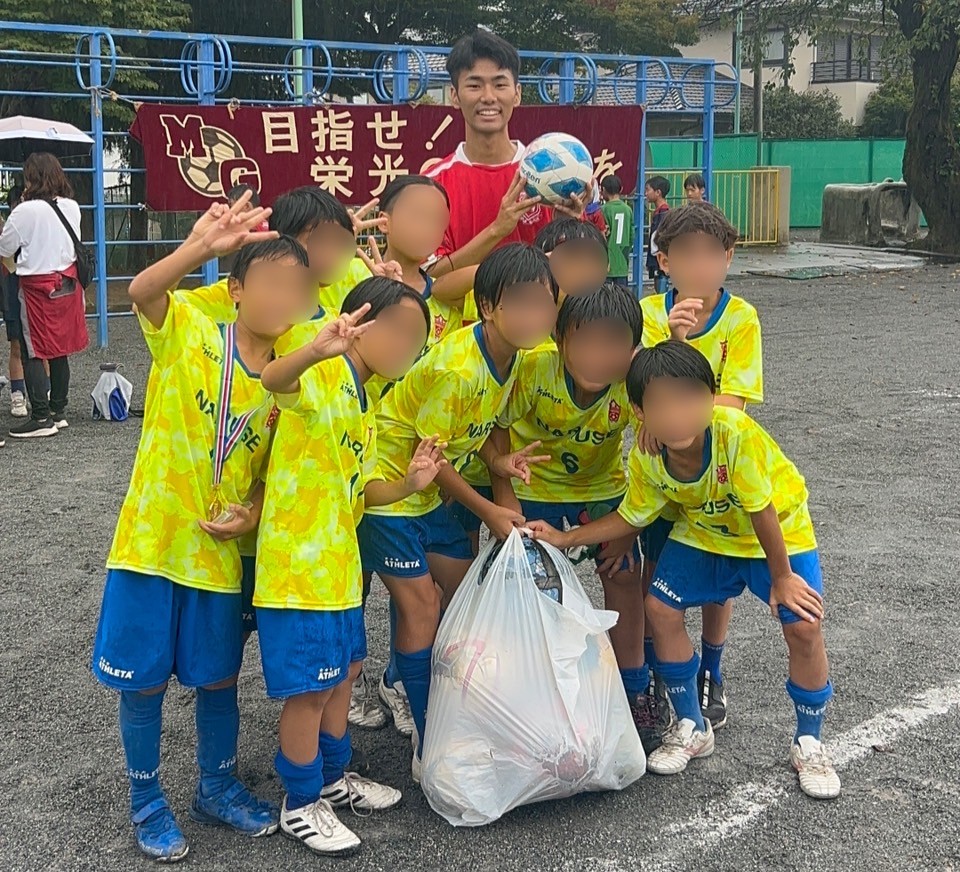
Just as my first visit to China as an elementary school student sparked my own interest in the world, I aim to provide a similar trigger for these students. By seeing their own balls being used by children in a distant land through our activity reports, they can truly feel the connection and gain a global perspective.
I hope this becomes an opportunity for them to reflect on the environment they often take for granted—to be able to play with cleats, uniforms, teammates, and coaches in a well-equipped environment with clean soccer balls—and to consider how they can support children who share the same passion for soccer but lack the same resources.
5. Our Local Partner
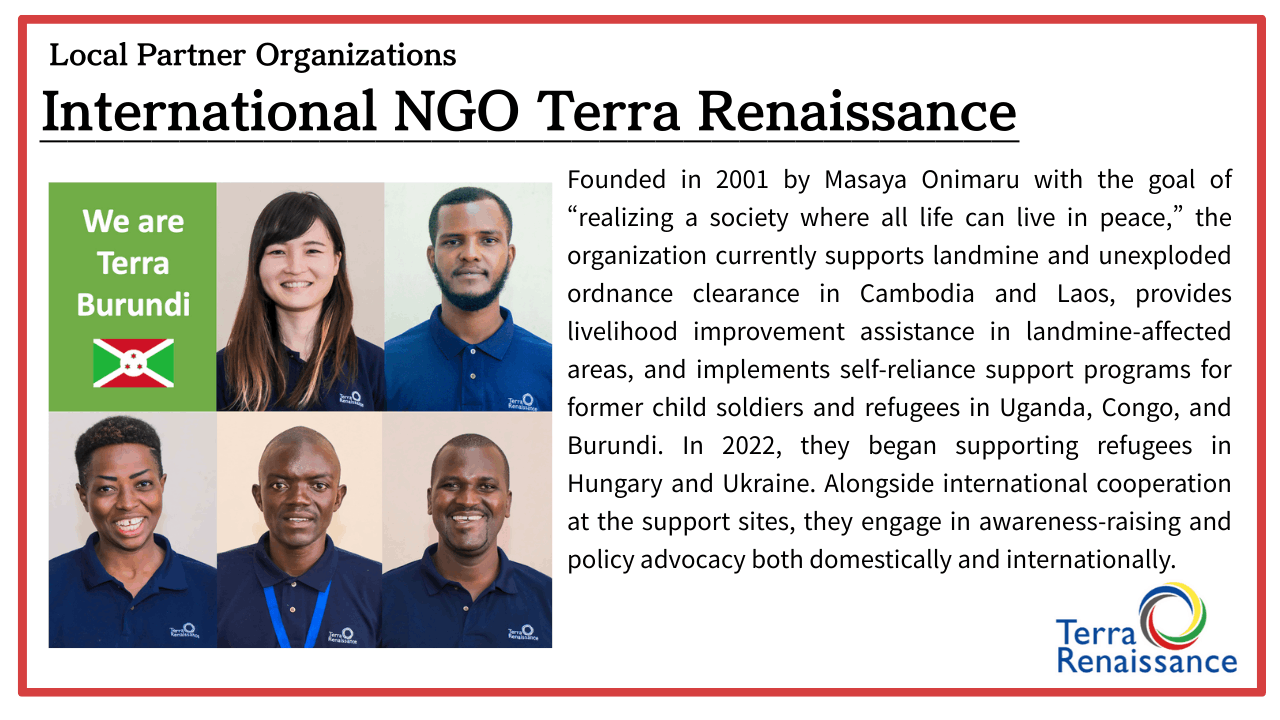
Terra Renaissance coordinates the local logistics, including venue and participant arrangements for us.
To ensure the success of our activities in Burundi, we knew we needed a reliable partner to collaborate with us locally. It was during this search that I attended a lecture by Ms. Kawashima, the Head of the Burundi Office for Terra Renaissance.
Speaking about international cooperation, she said, "Start with what you can do, through the things you love and enjoy." Resonating with her words, I consulted her about this project, and she graciously agreed to hear me out and support us. We are truly grateful for their cooperation.
6.To Amerique
I still remember the day we played soccer together for the first time. Thanks to you, Amerique, I got to know Burundi, and I\'m super excited to visit there next year. Stay forever kind and funny, Amerique. Looking forward to seeing you soon!
7.What we have done
To date, we have received cooperation from a total of 15 teams, collecting 110 soccer balls and over 150 uniforms.
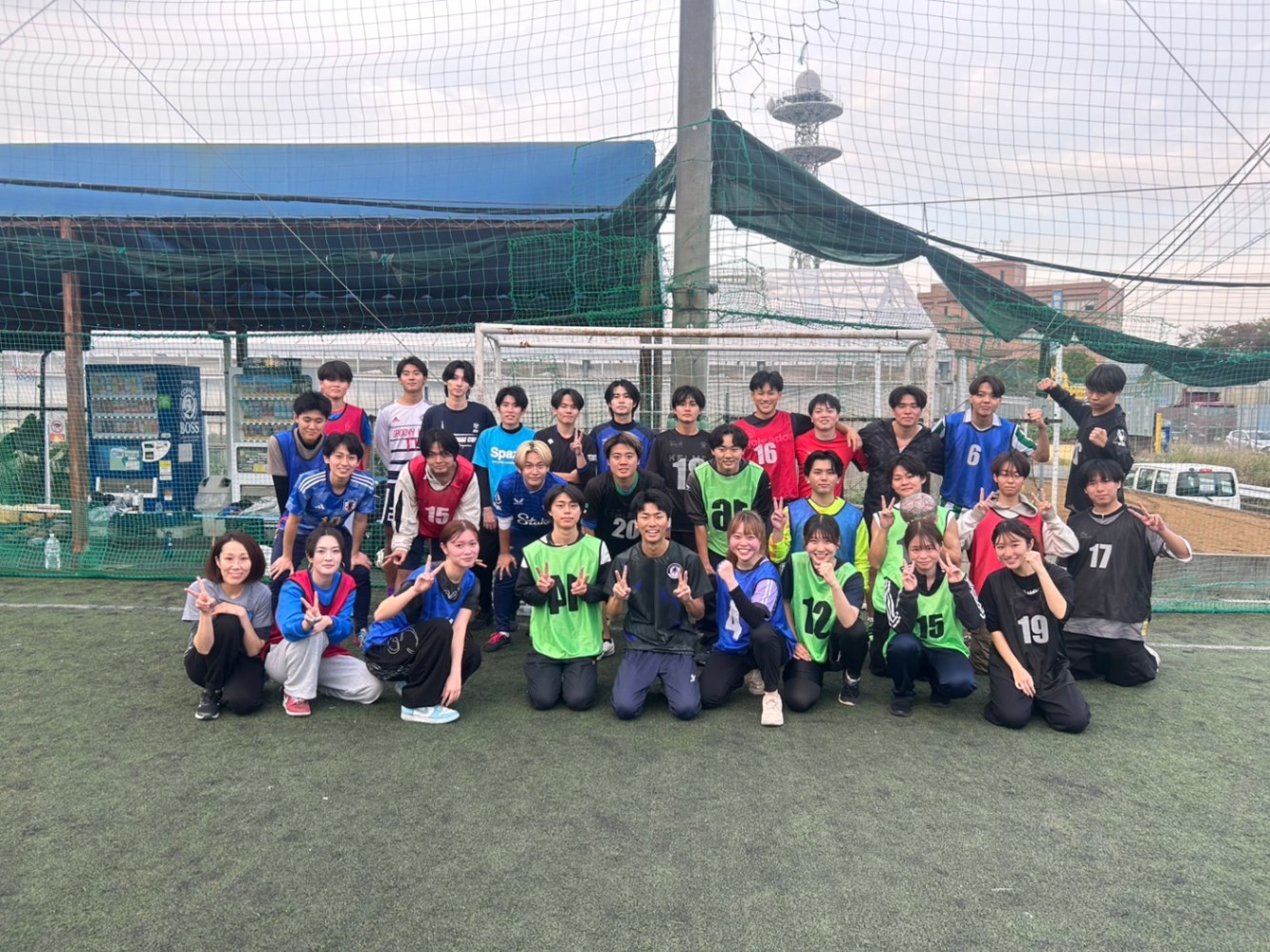
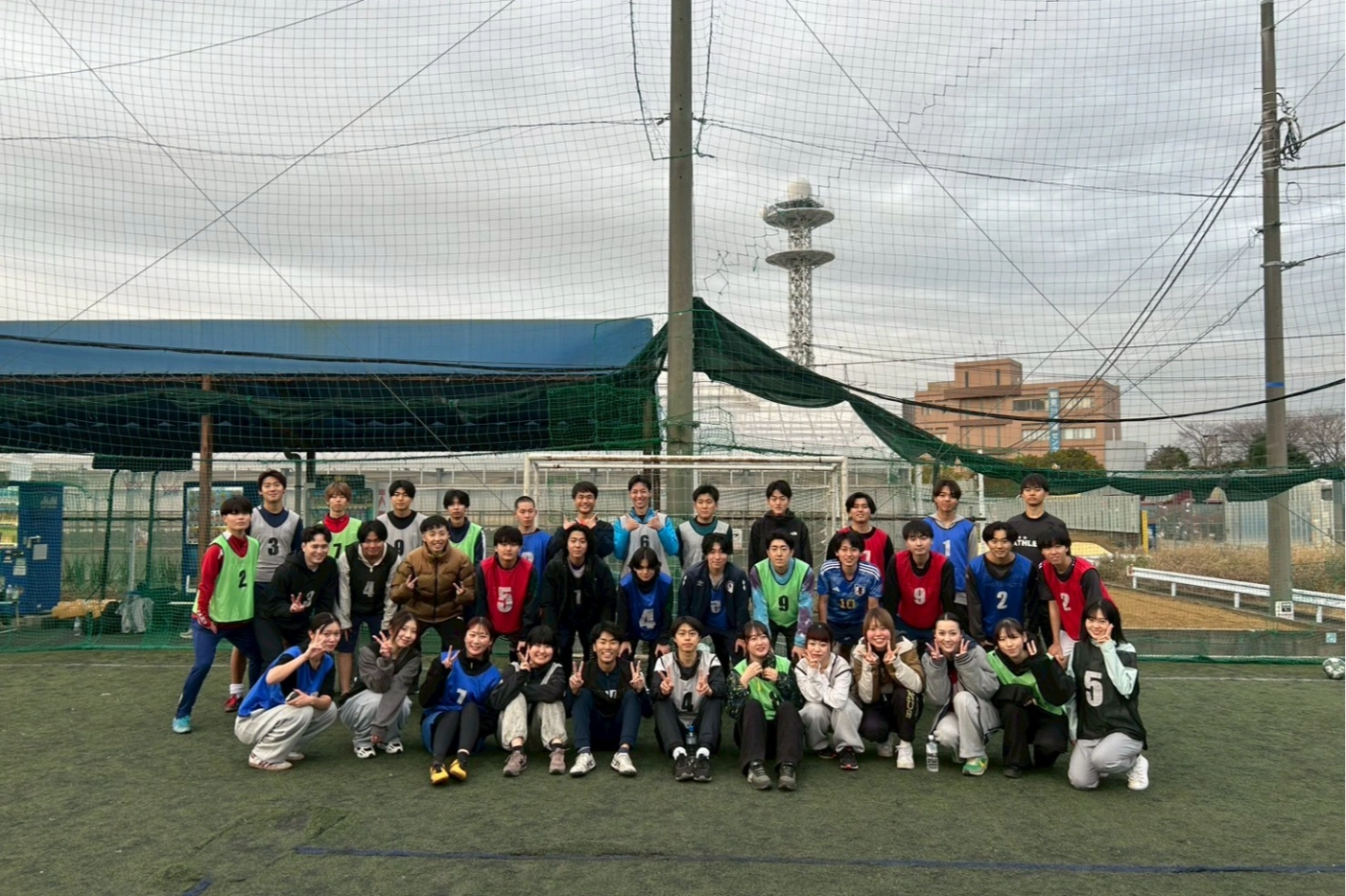
We have also held two charity futsal tournaments.
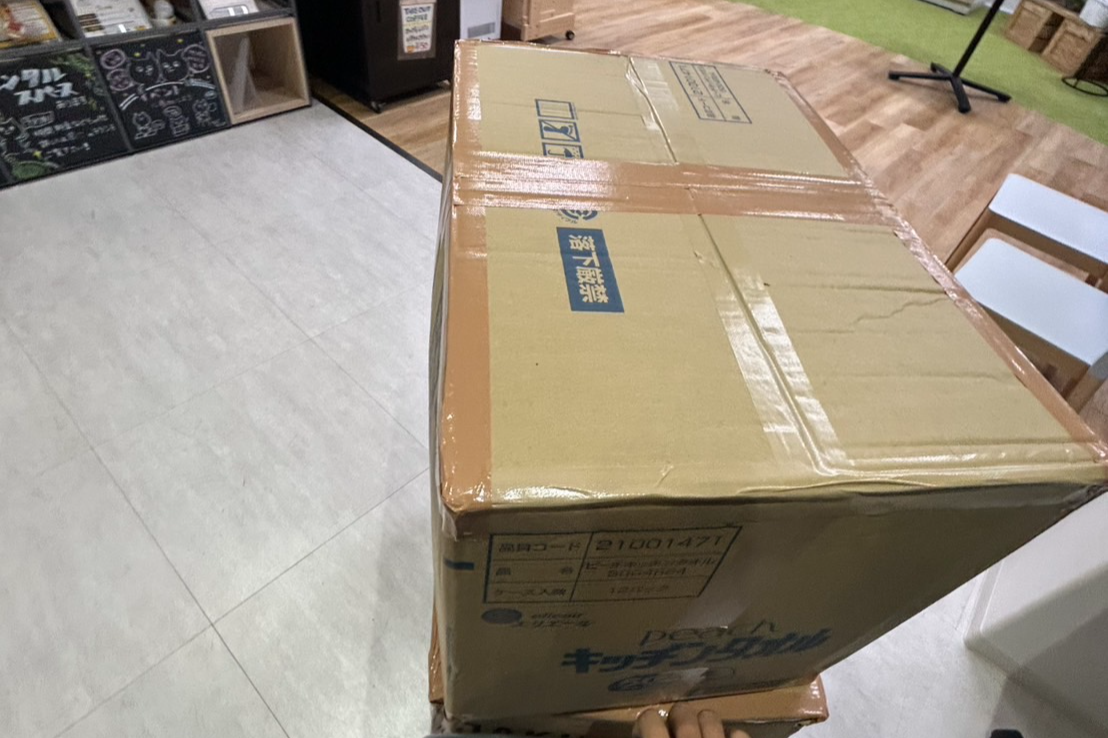
On December 7th, we delivered the first box of soccer balls to Burundi.
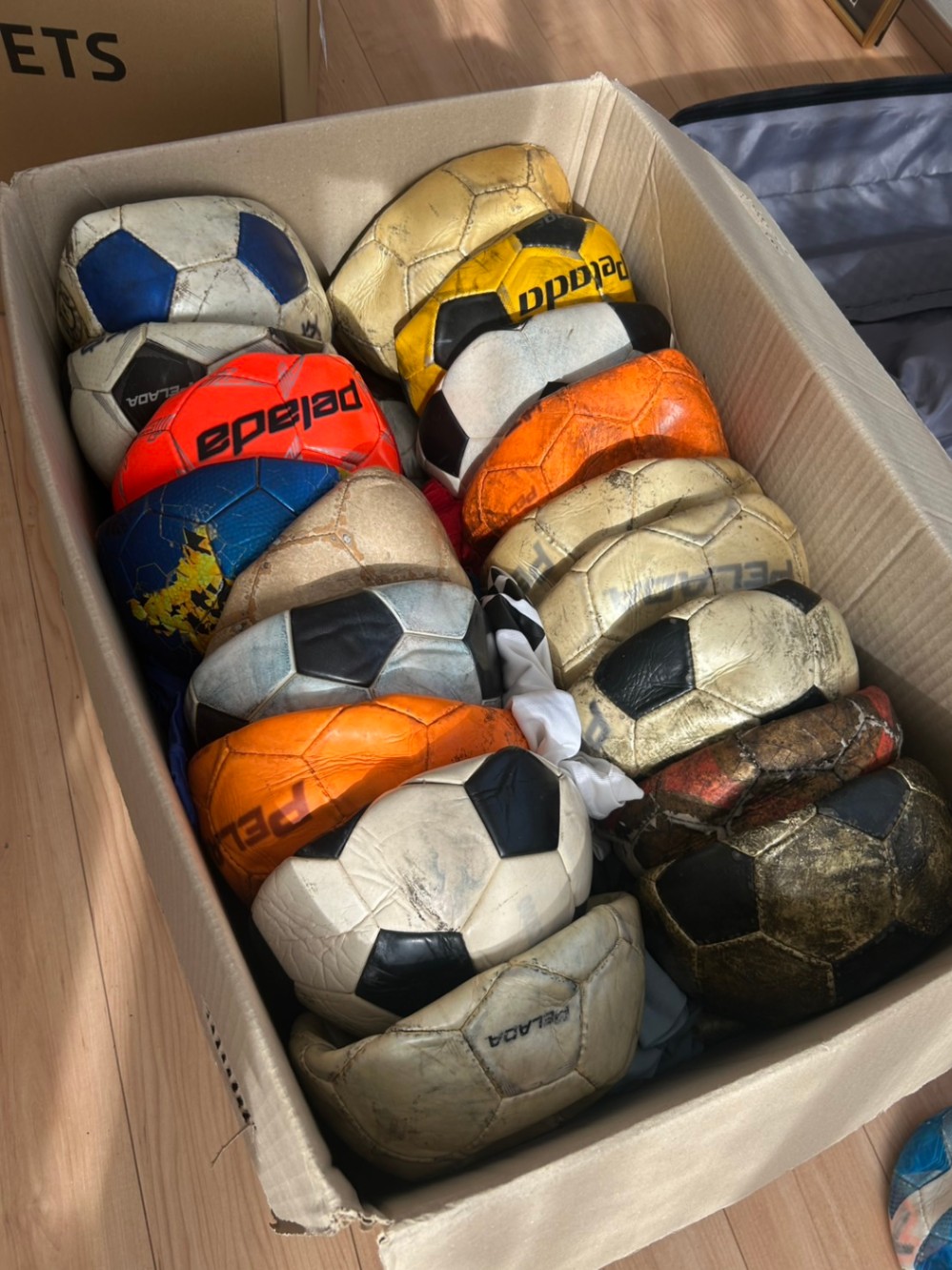
We are steadily progressing with preparations for the soccer tournament to be held in Burundi next July.
8. Why We Need Your Support
"Smiles for the children in Burundi, and a gateway to the world for the youth in Japan."
Our goal is simple yet powerful: to deliver soccer balls to Burundian children and host a tournament that they will never forget. We believe our passion and dedication to this project are second to none. We are committed to doing everything in our power to make this mission a success.
However, as students, there is a limit to what we can finance on our own. Up until now, we have covered all advertising costs and transportation fees for collecting the donated balls using money saved from our part-time jobs. But to actually travel to Burundi and host the event on the ground, we face significant costs that go beyond our personal reach.
Please, lend us your strength. We invite you to become our teammate in connecting Japan and Burundi through soccer. Thank you for your warm support.
HOW TO SUPPORT US↓↓
①Click the orrange botton "support project."
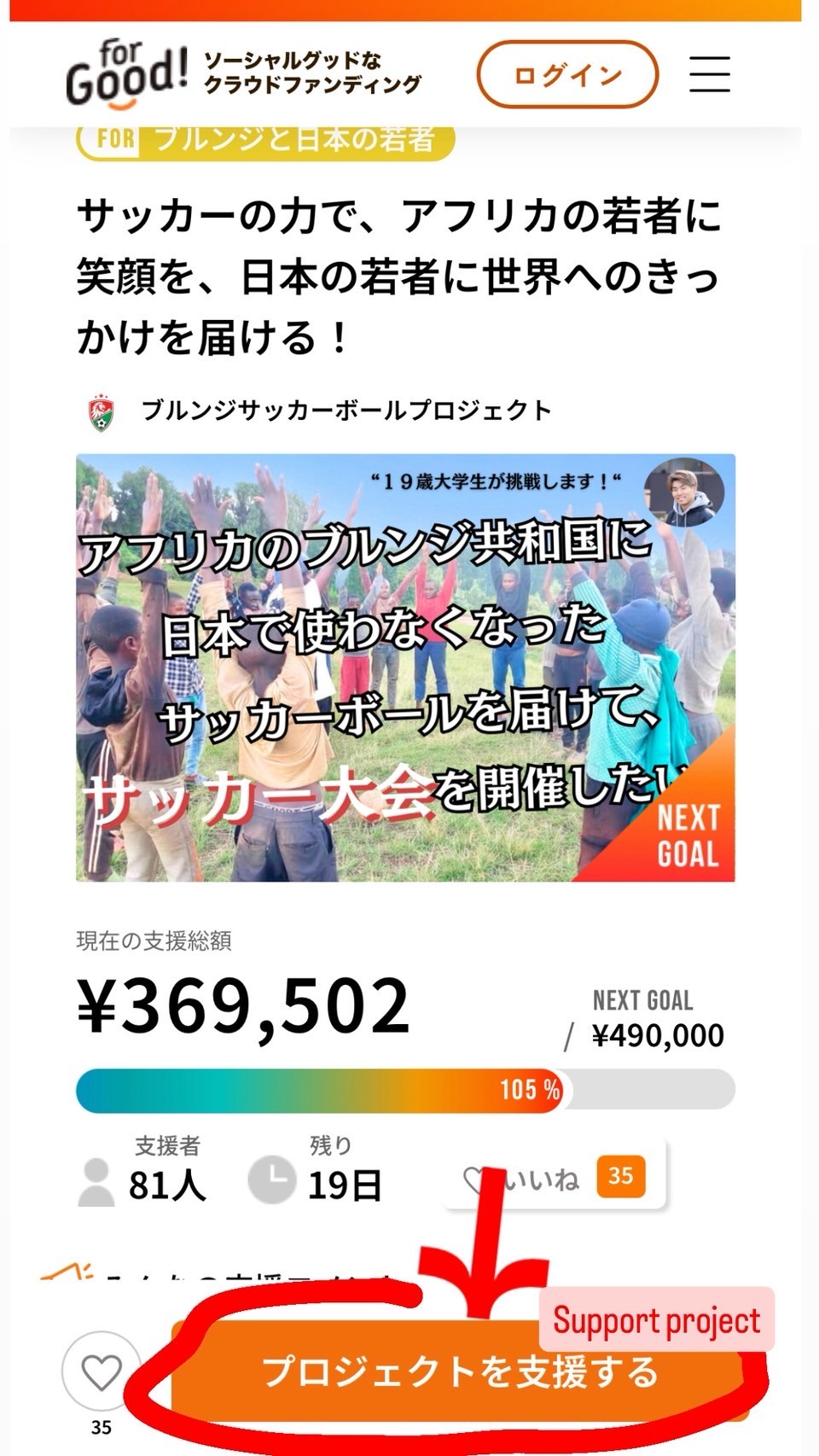
②You will move to this page.
Select the option for how much you donate.
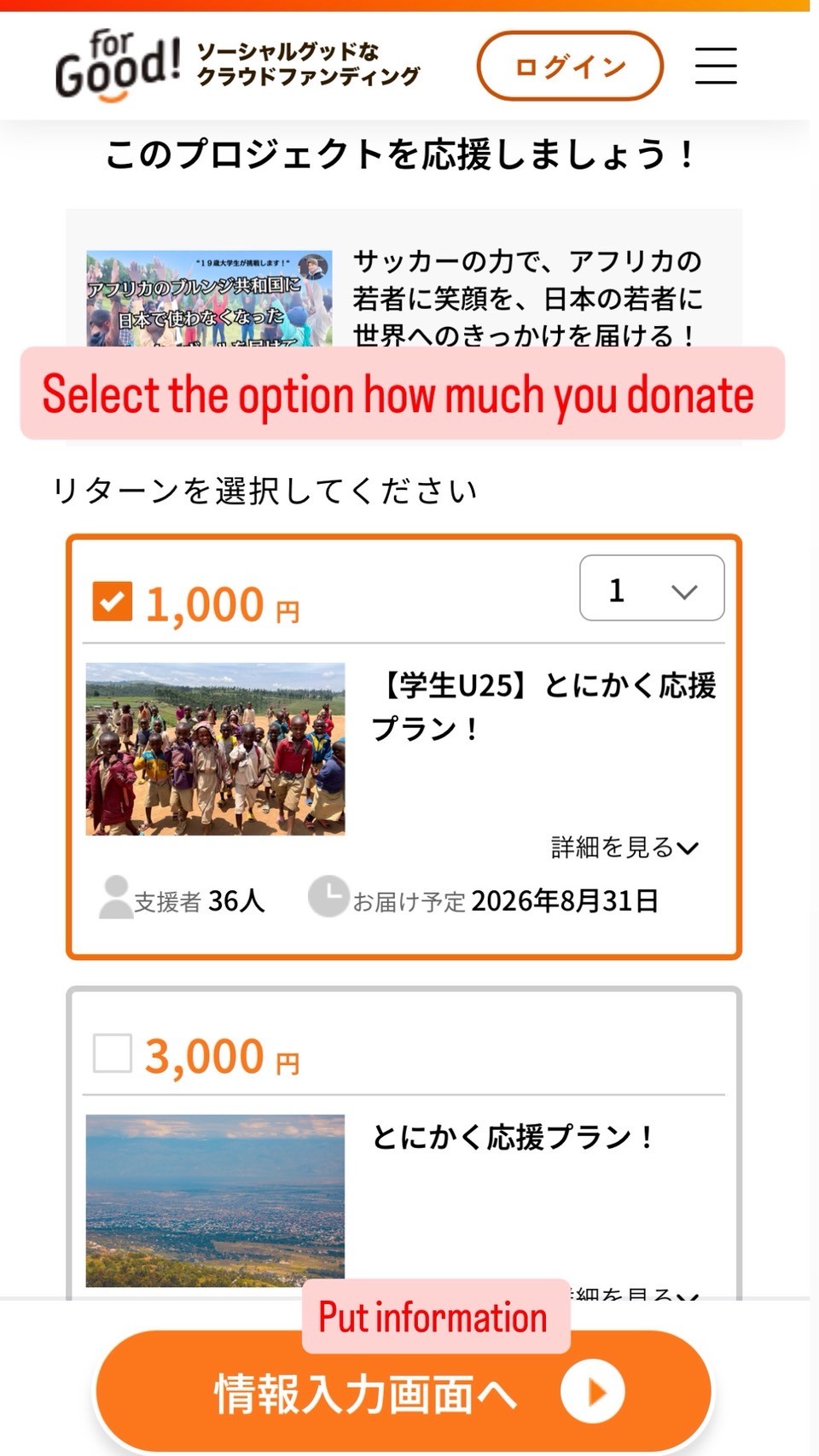
If you live outside Japan, please select one of the following five options.
because others are something to be sent to your house.
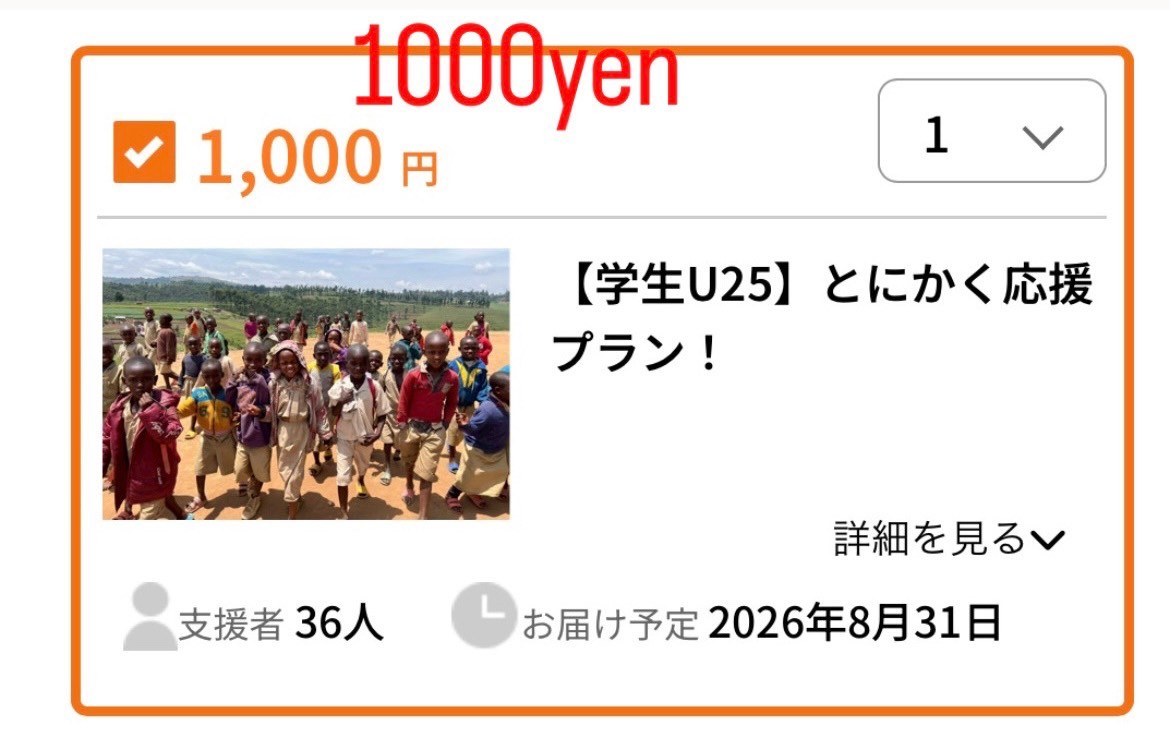
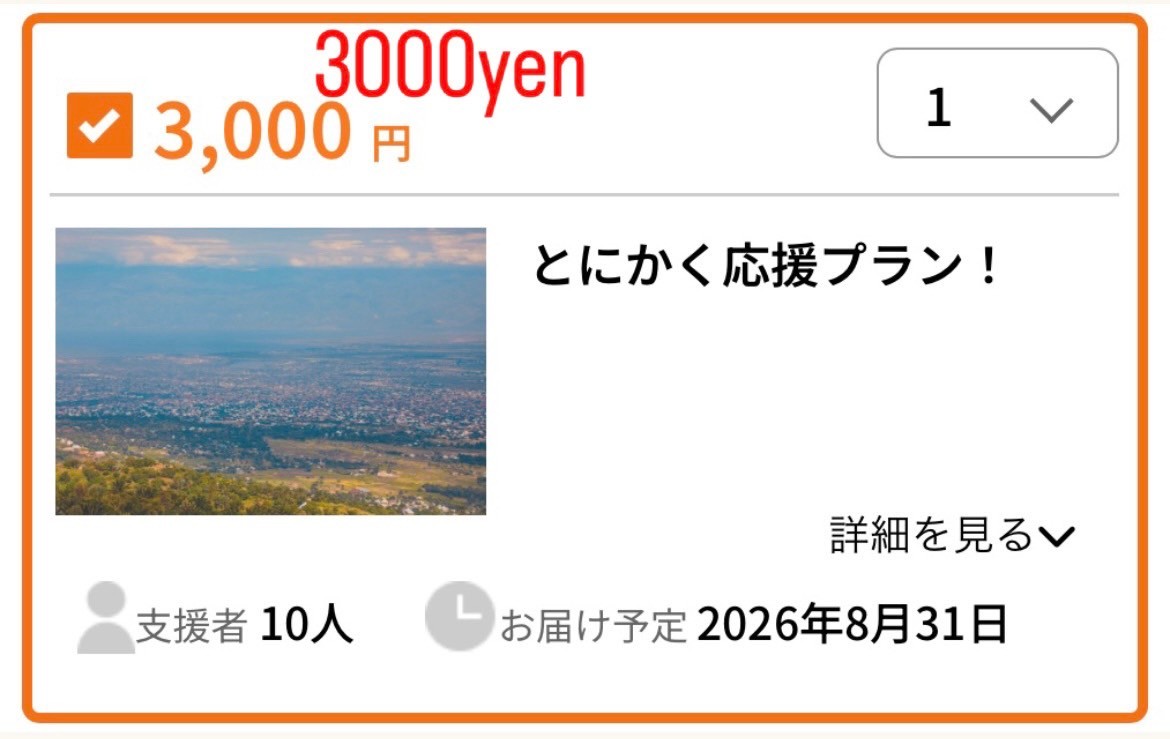
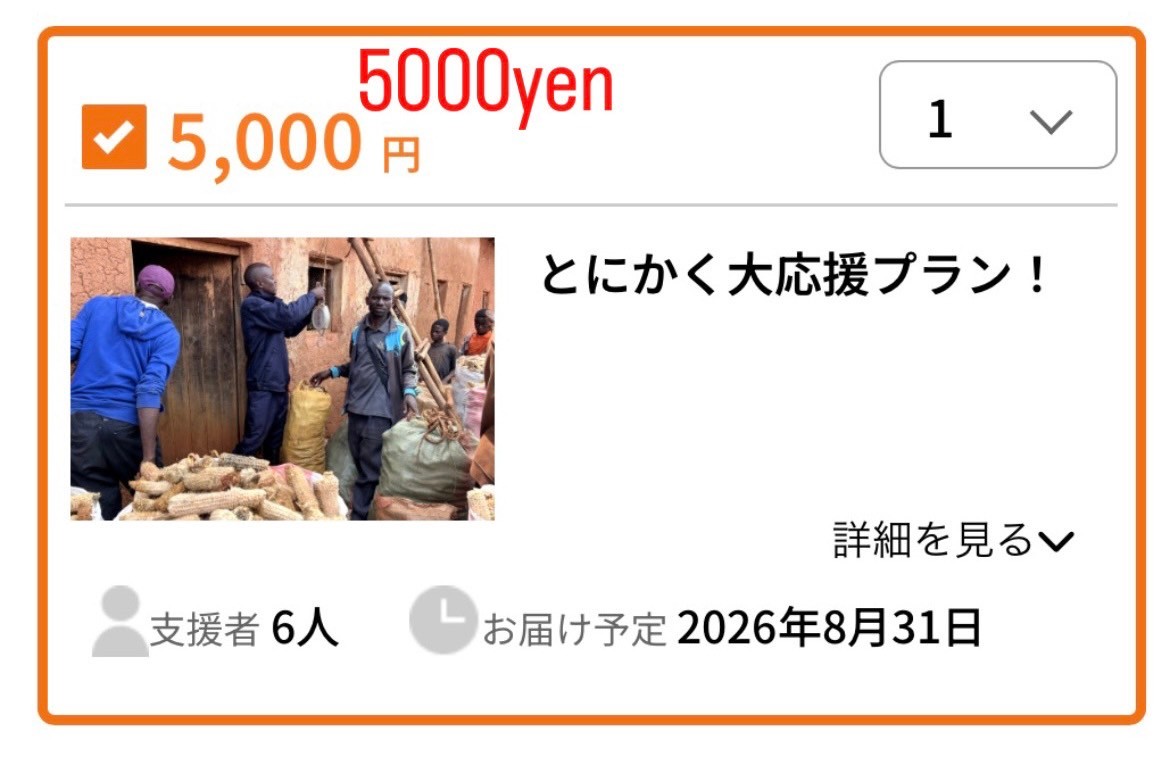
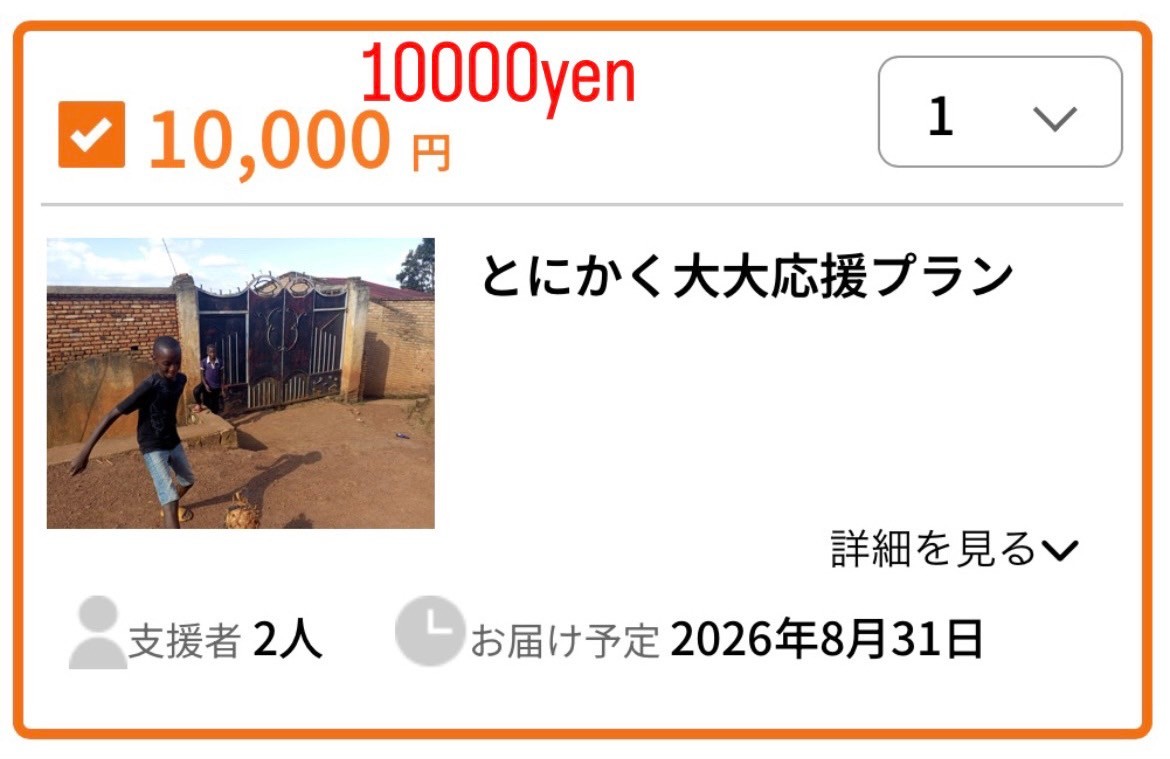
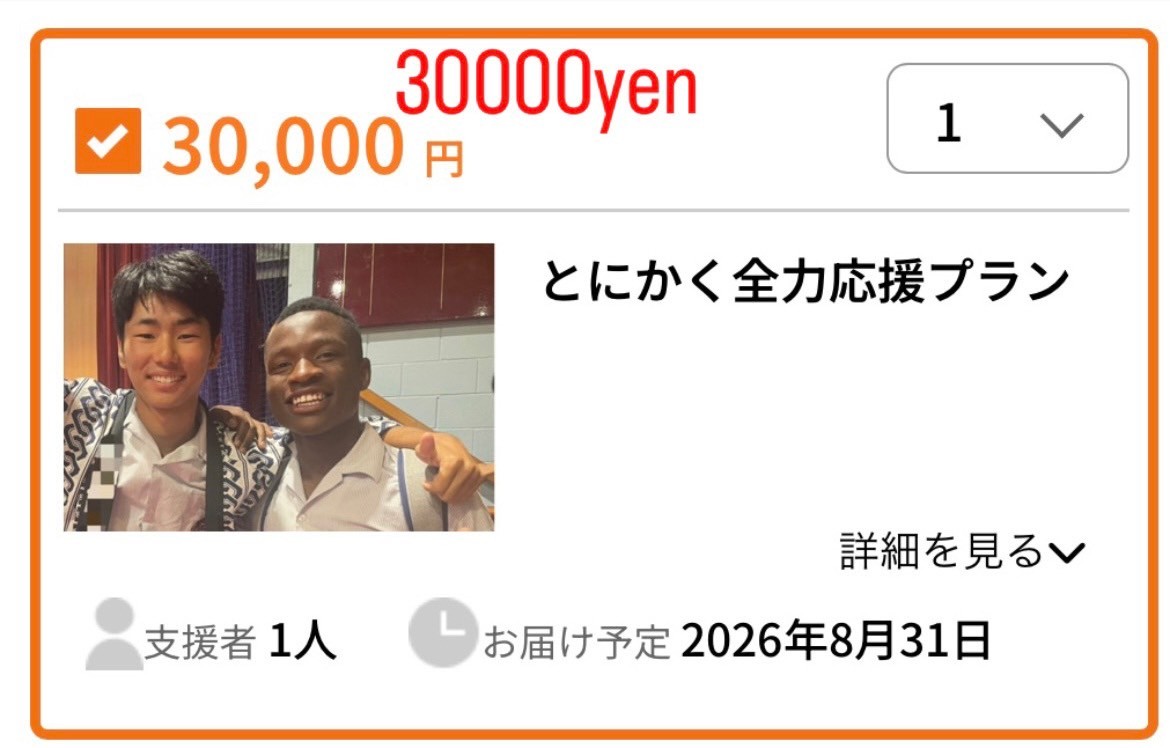
③Click the orange button "put information."
Next is your information page.
If you have not loged in yet, you have to sign up first.
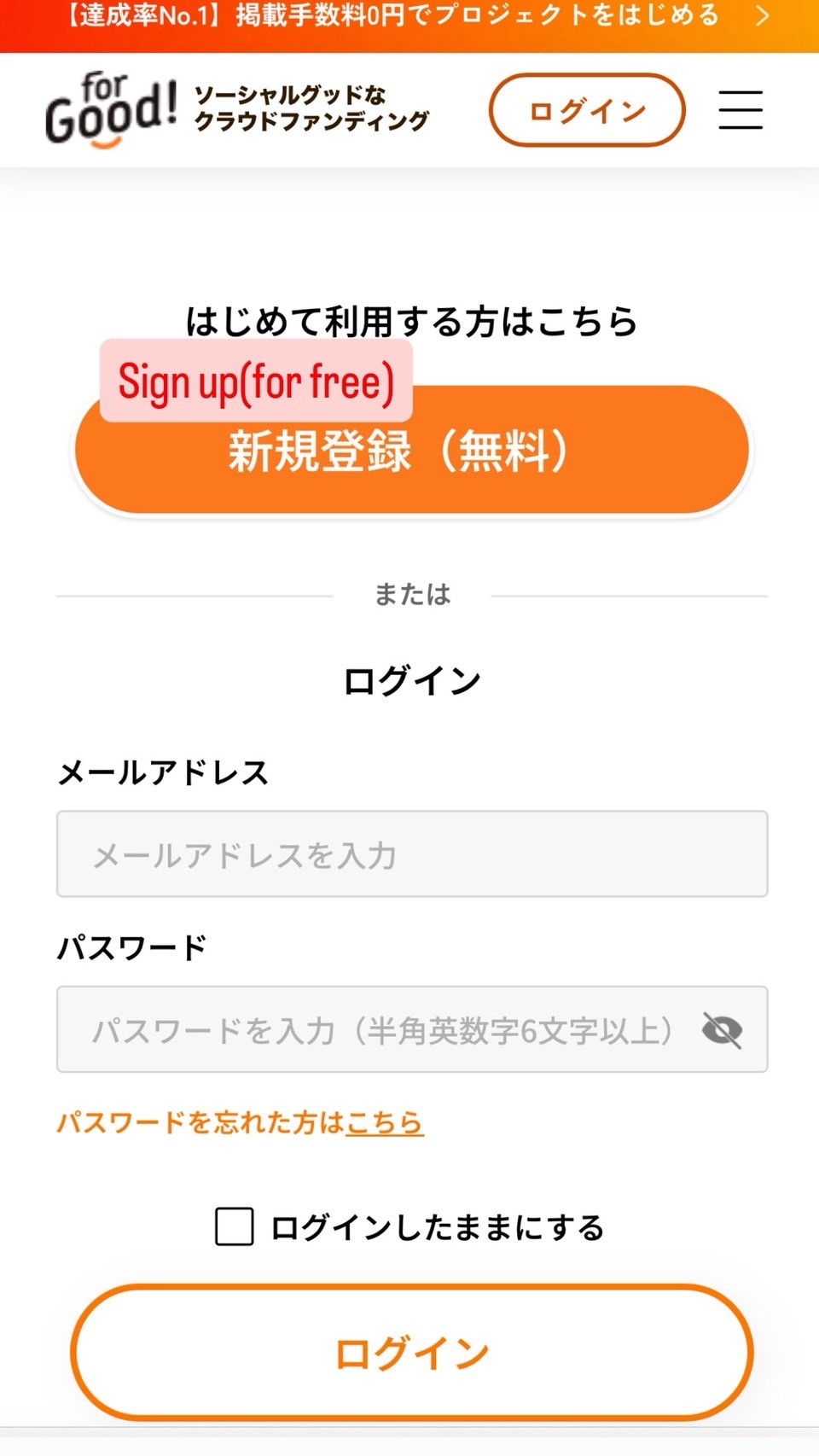
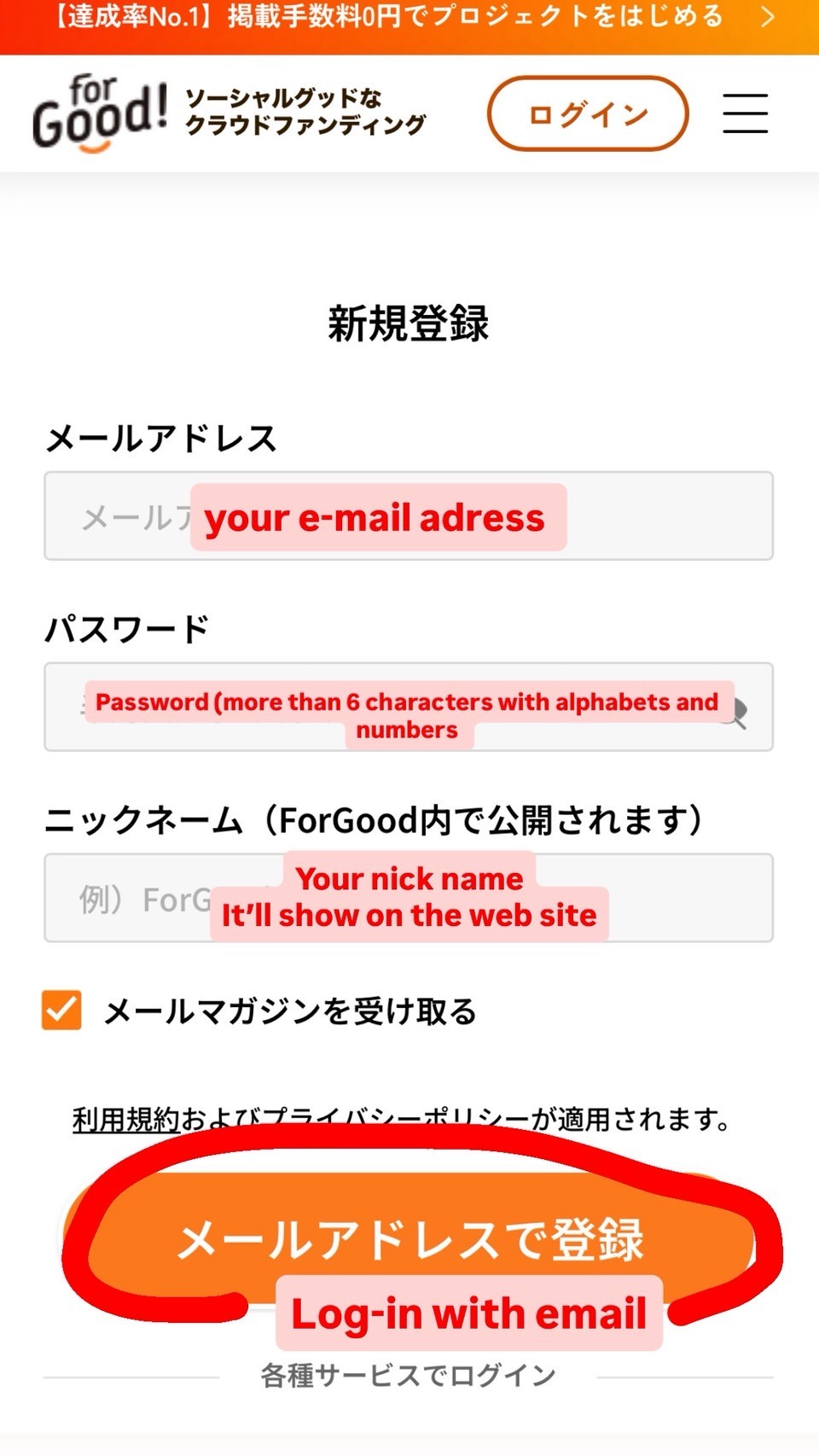
④after that,filling credit card information
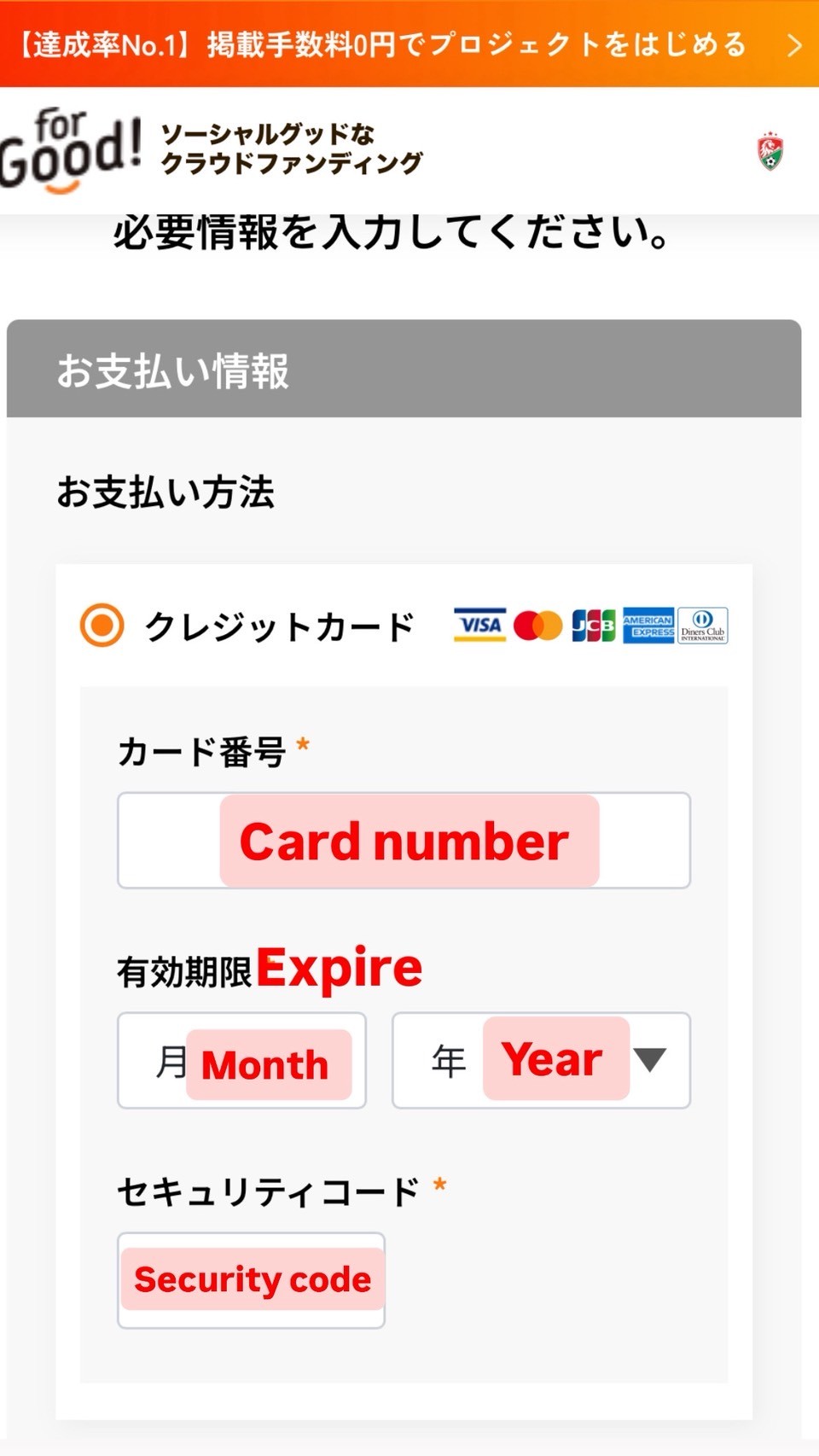
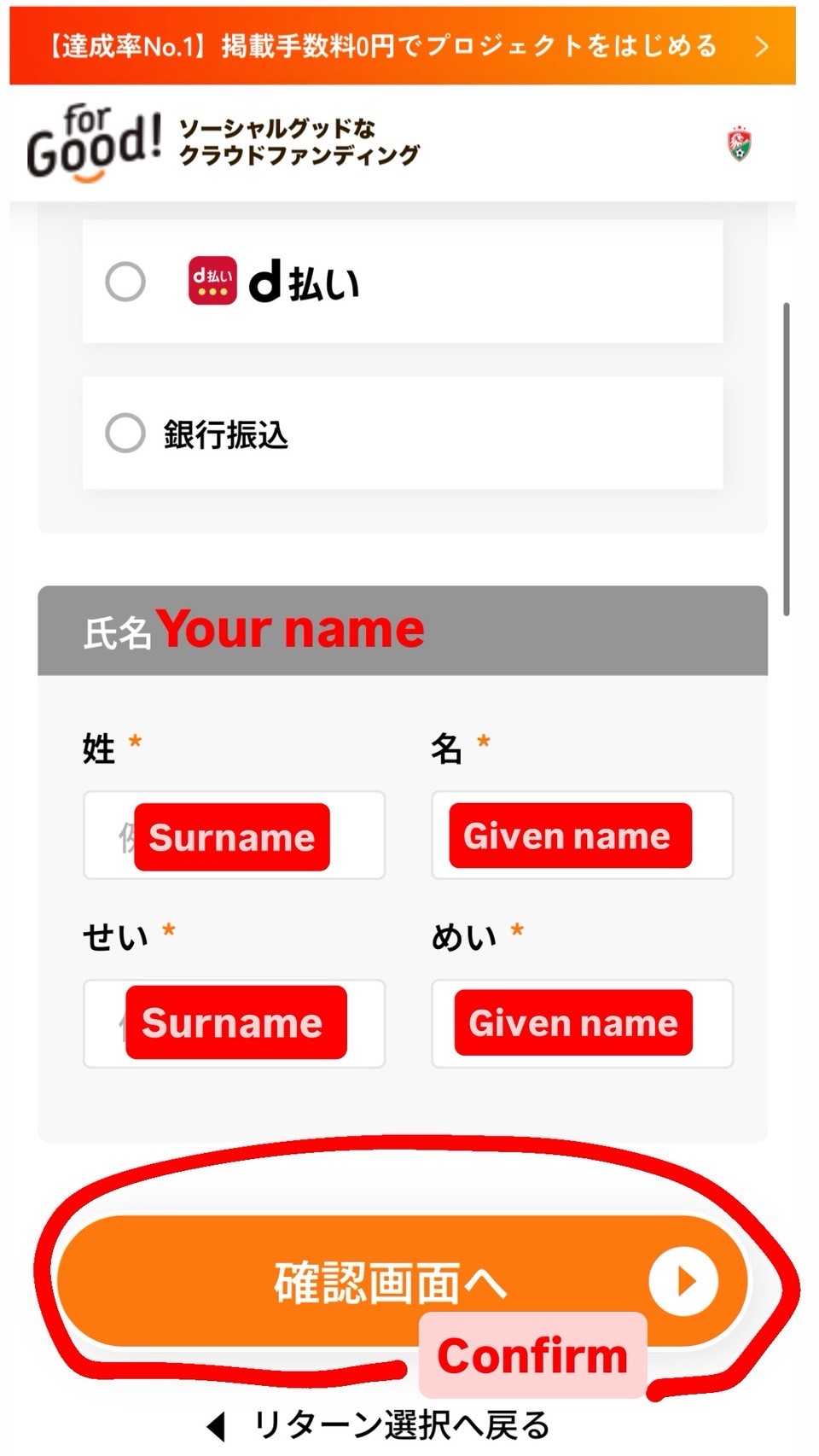
⑤Then, the next page is a message for us. Please give us some messages, and click the orange button "Send"(Sorry, I don\'t have the picture)
⑥Finish!!
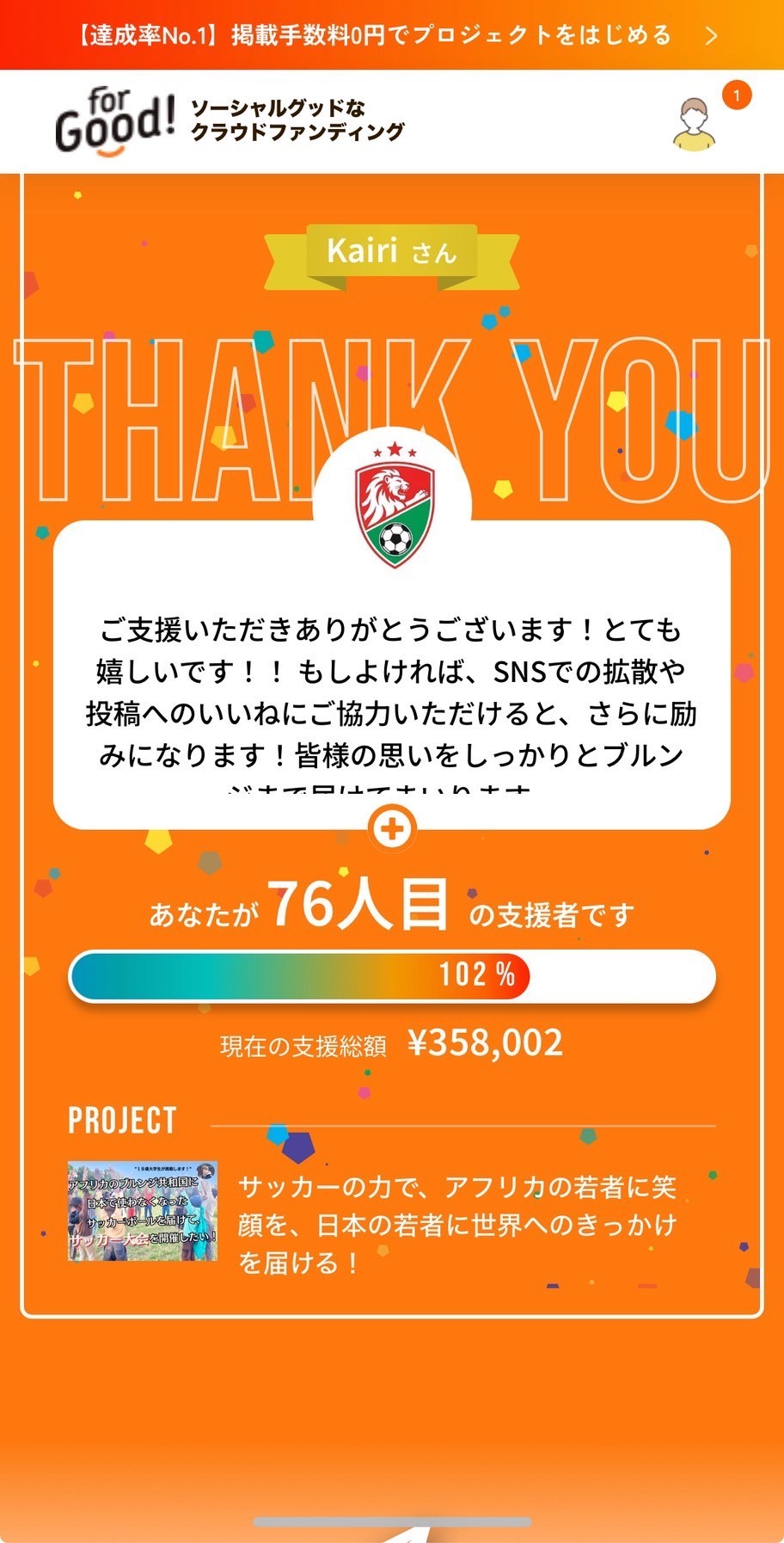
Thank you so much!!


リターンを選ぶ