画像処理中です...



海外の日本庭園の再生
海外の日本庭園を匠の技で蘇らせたい



みんなの応援コメント


FOR GOOD
プロジェクト実行者が支援金を全額受け取れるよう、支援者さまからのシステム利用料(220円+決済手数料5%)により運営しています。




2026/11/12 20:40
Autumn Maintenance of the Isamu Noguchi “Garden of Peace” at UNESCO Headquarters (21–23 October 2026)
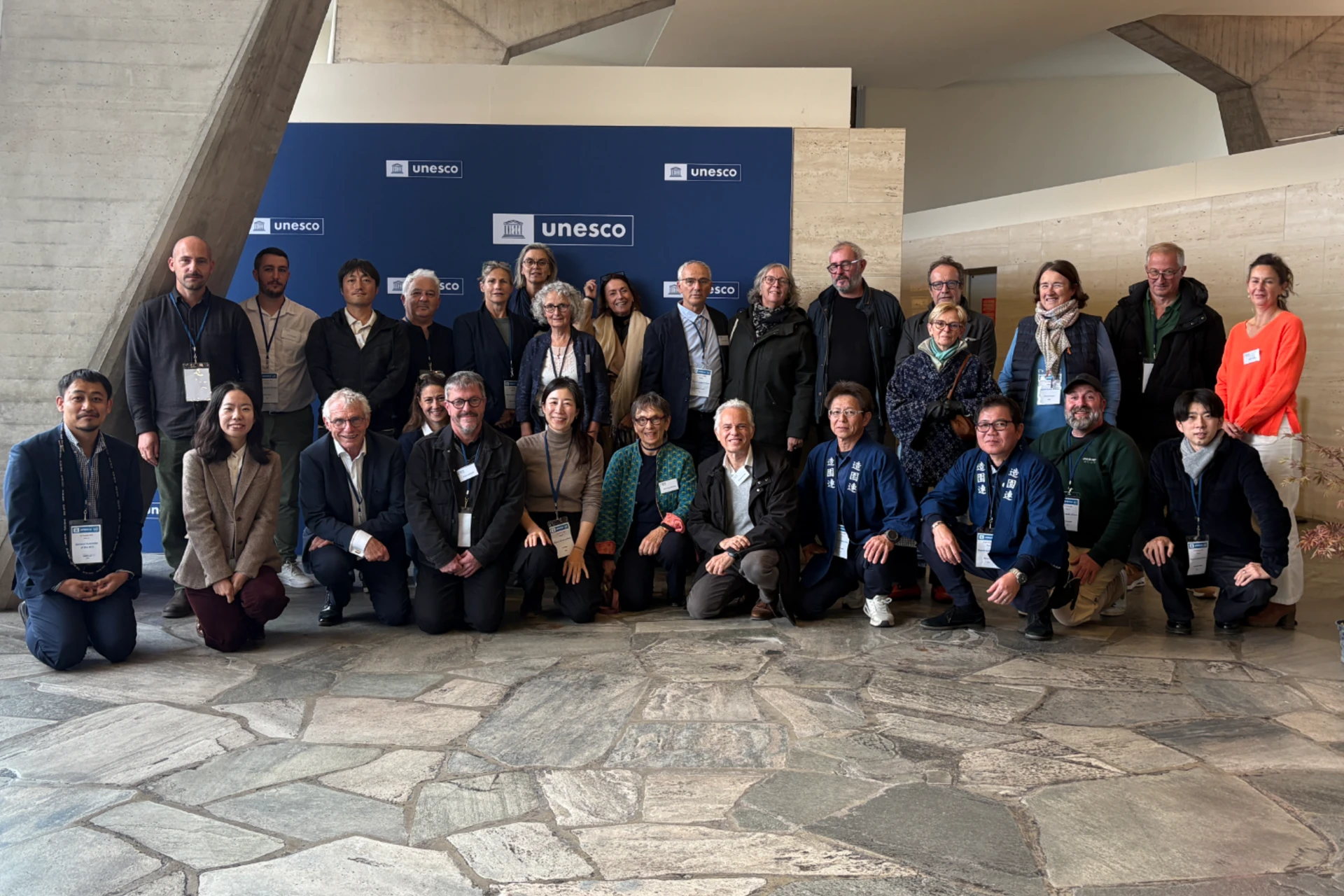
From 21 to 23 October, we carried out the autumn maintenance work at the Isamu Noguchi-designed “Garden of Peace” at UNESCO Headquarters in Paris.
Following the garden maintenance work, we were also able to realize the 3D scanning of the garden by Mr. Matsunaga of Japanese Garden TV, made possible thanks to your generous support. We are currently in the final stages of coordinating with UNESCO regarding the handling and use of the 3D scan data. We will share the results with all our supporters as soon as they are ready for release.
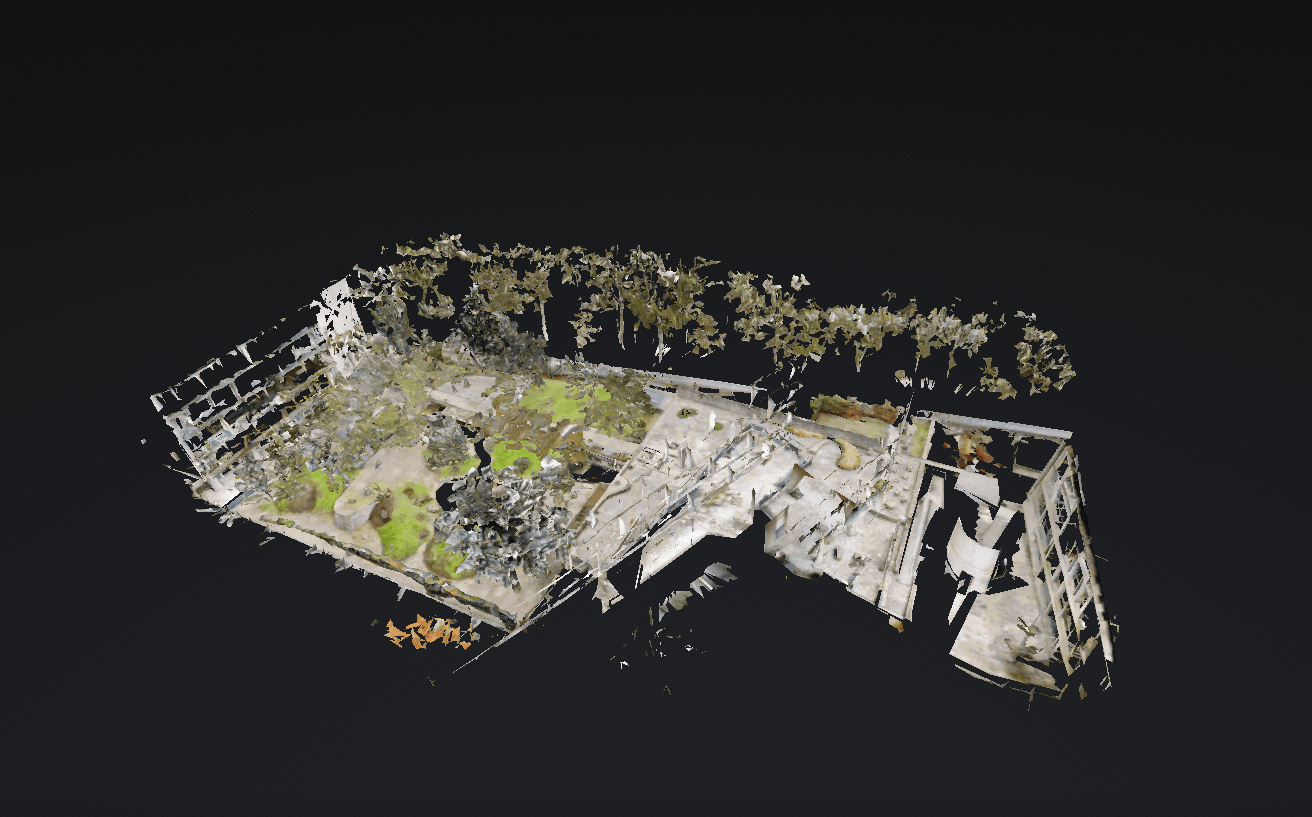
The creation of a 3D model allows project members who have never visited the garden in person to gain a much clearer understanding of its layout and spatial characteristics. This is an extremely effective tool for sharing maintenance plans, discussing challenges, and coordinating work. We believe that such digital tools will become increasingly essential when organizing the long-term maintenance of Japanese gardens located overseas, particularly when working collaboratively with local organizations. The 3D model created this time will not only significantly improve the quality and continuity of maintenance at UNESCO’s Garden of Peace, but also open up new possibilities for the management and preservation of Japanese gardens around the world. Once again, we would like to express our sincere gratitude to everyone who supported this initiative.
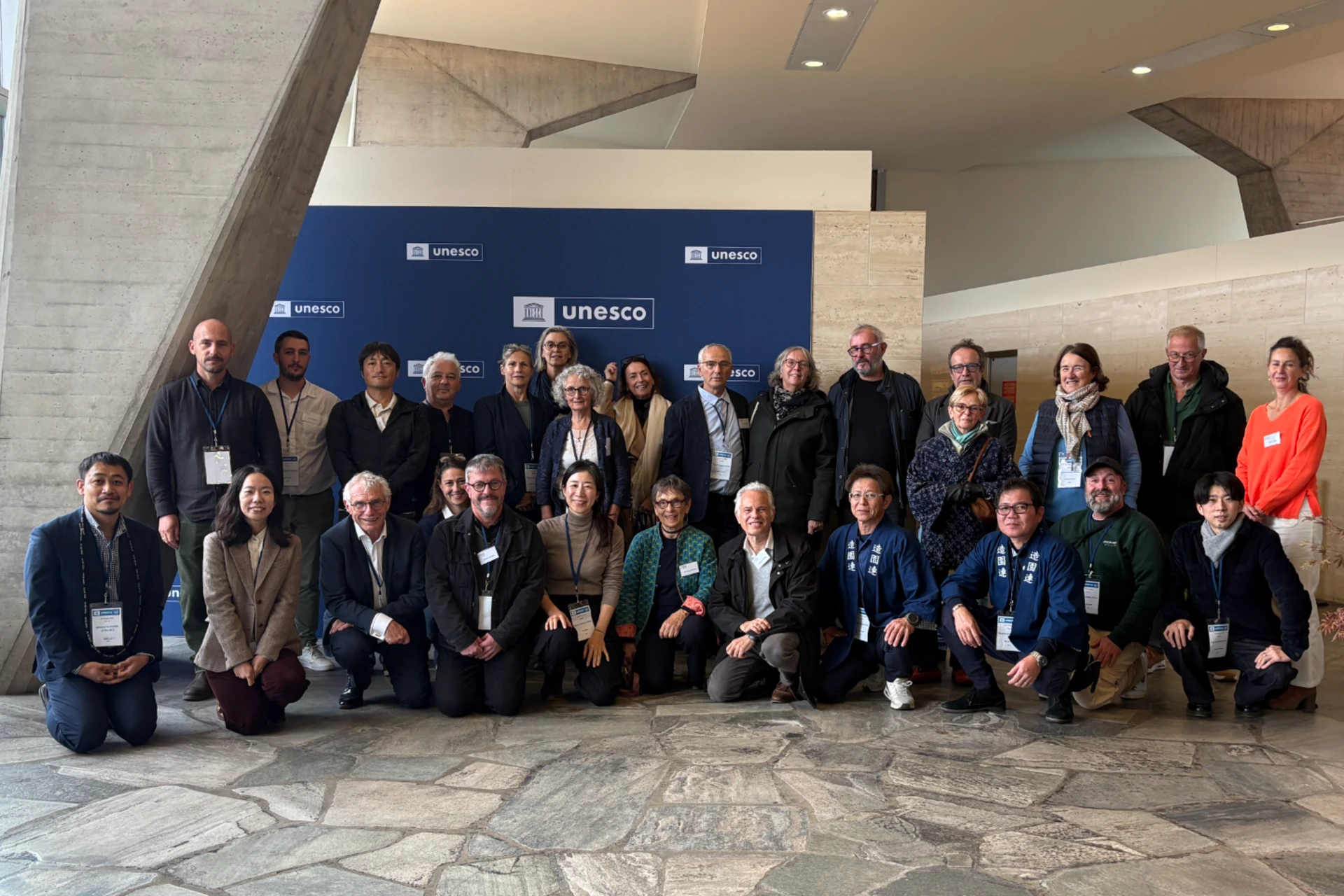
Thanks to a grant from the Sasakawa France Japan Foundation, we were able to send two certified Japanese Garden Specialists from the Japan Federation of Landscape Contractors (JFLC) to Paris for this maintenance session. Working alongside members of the Association France-Japon des Jardins (AFJJ), they focused primarily on pruning the cherry trees and trimming the bamboo grass (Sasa). On the final day, we also organized a maple-pruning workshop and a presentation introducing examples of Japanese garden construction projects, in collaboration with AFJJ.
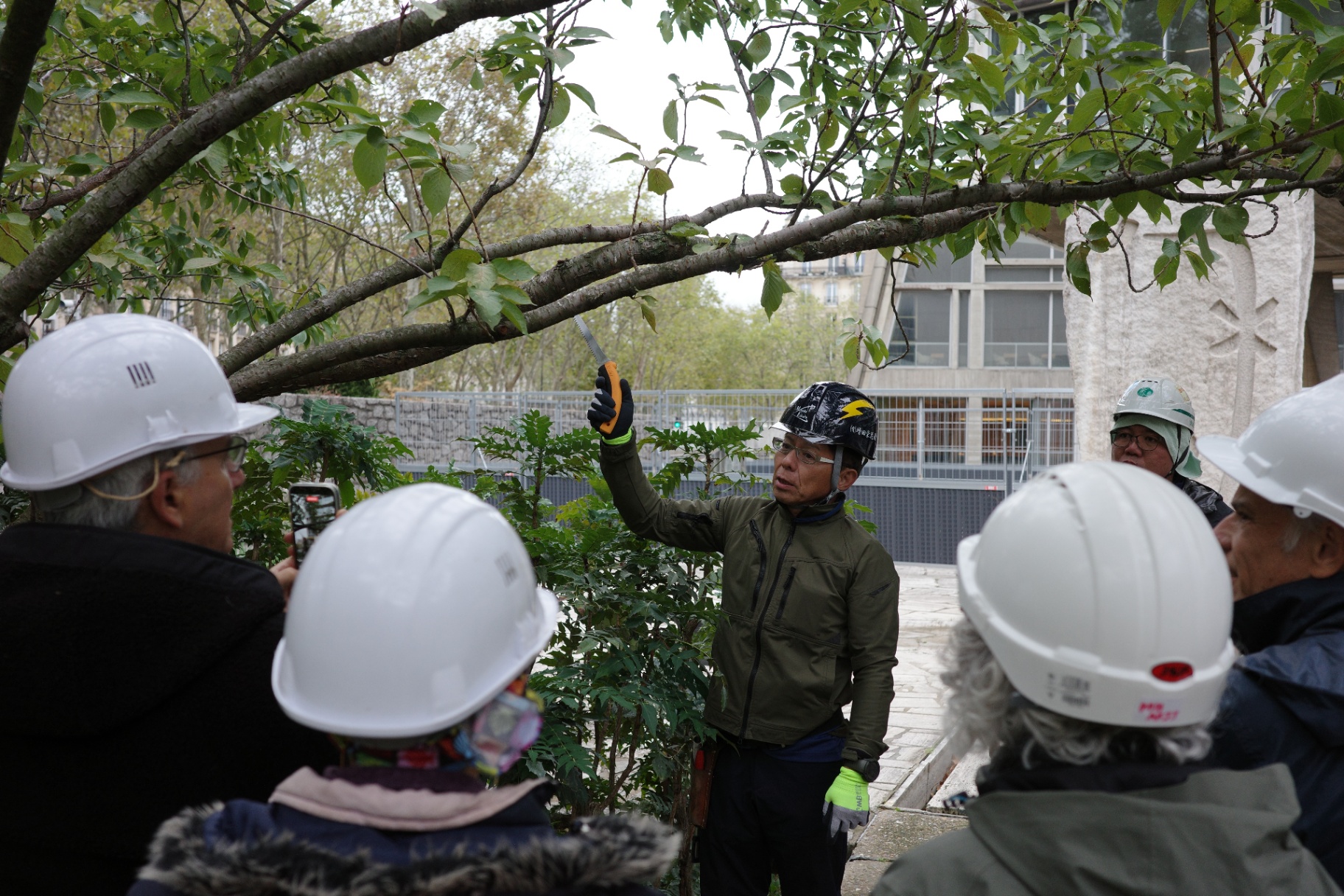
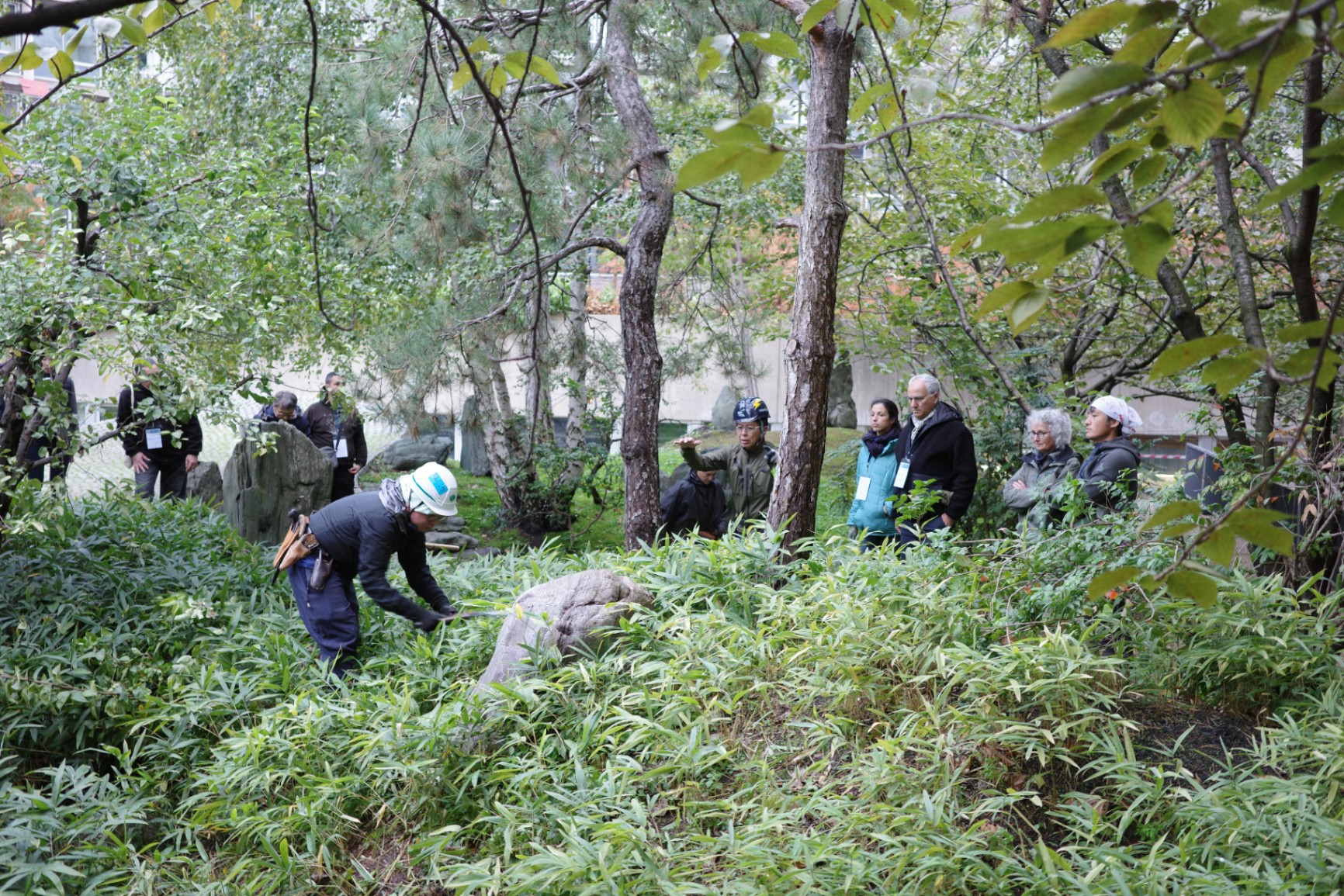
Ten AFJJ technicians participated in the maintenance work. In addition to receiving practical guidance from the Japanese Garden Specialists, they carried out a wide range of tasks with great care, including the removal of dead trees and naturally grown seedlings, weeding, and general cleaning, as well as pruning and trimming. Some trees had been severely weakened by the extreme heatwave this summer. We therefore also reviewed the garden's irrigation system together with UNESCO. These three days provided valuable opportunities not only to improve the garden's condition but also to consider its long-term maintenance needs.
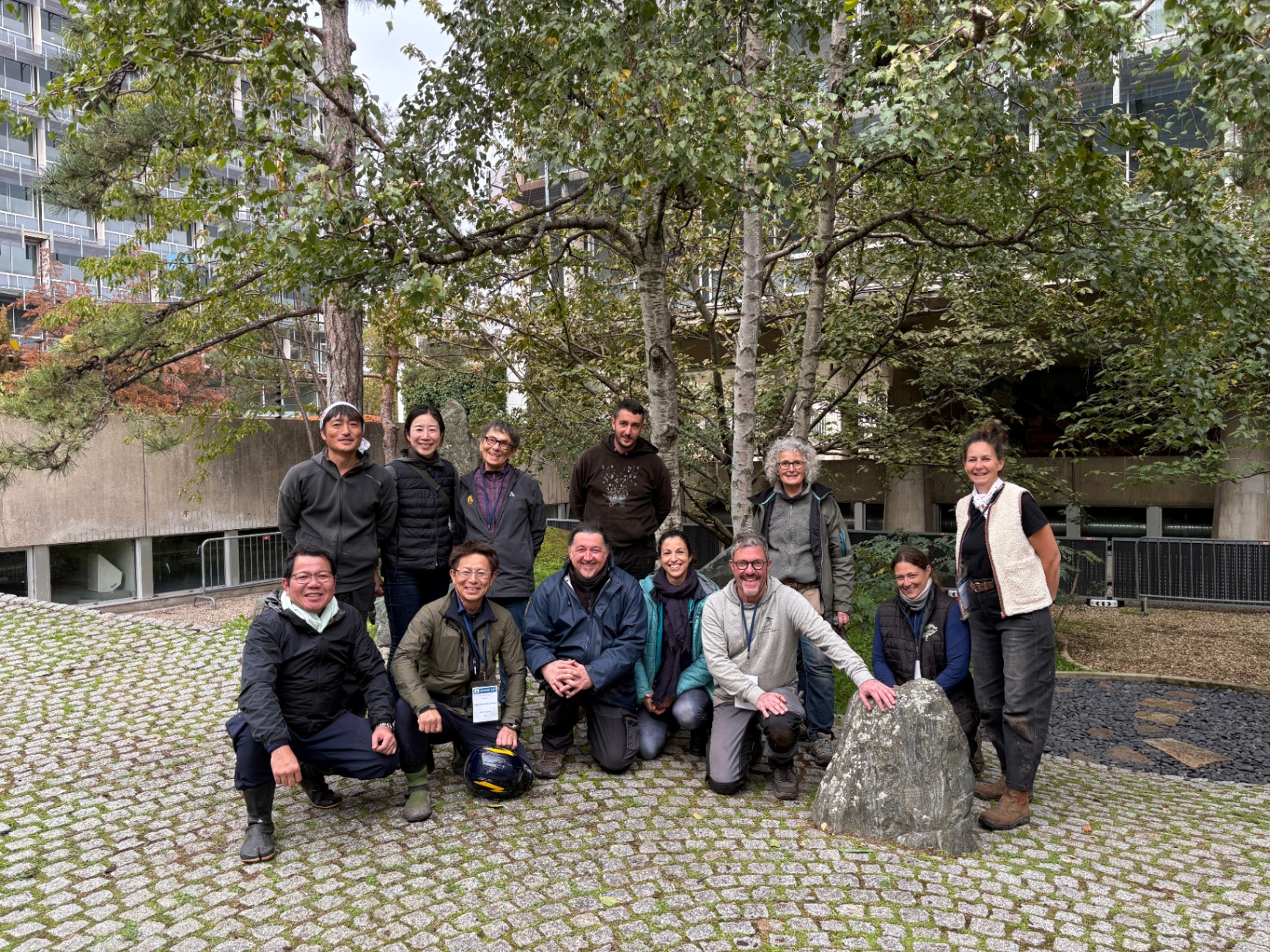

This was our third maintenance visit to the garden, marking the beginning of the second year of the JFLC's involvement in its maintenance. This is an important stage in the project: we need to assess how last year's work has influenced the garden and establish a clear direction for future maintenance. At the same time, the project is reaching a critical turning point, as we work to establish a sustainable system that will ensure the garden can continue to be properly maintained over the long term.
Looking ahead, we aim to further strengthen our relationships of trust with UNESCO and the Permanent Delegation of Japan to UNESCO. Alongside exploring new ways to make the garden accessible and meaningful to a wider audience, and communicating the ideas and philosophy behind Isamu Noguchi's design, we will continue to explore a broader range of funding opportunities to secure the project's future.
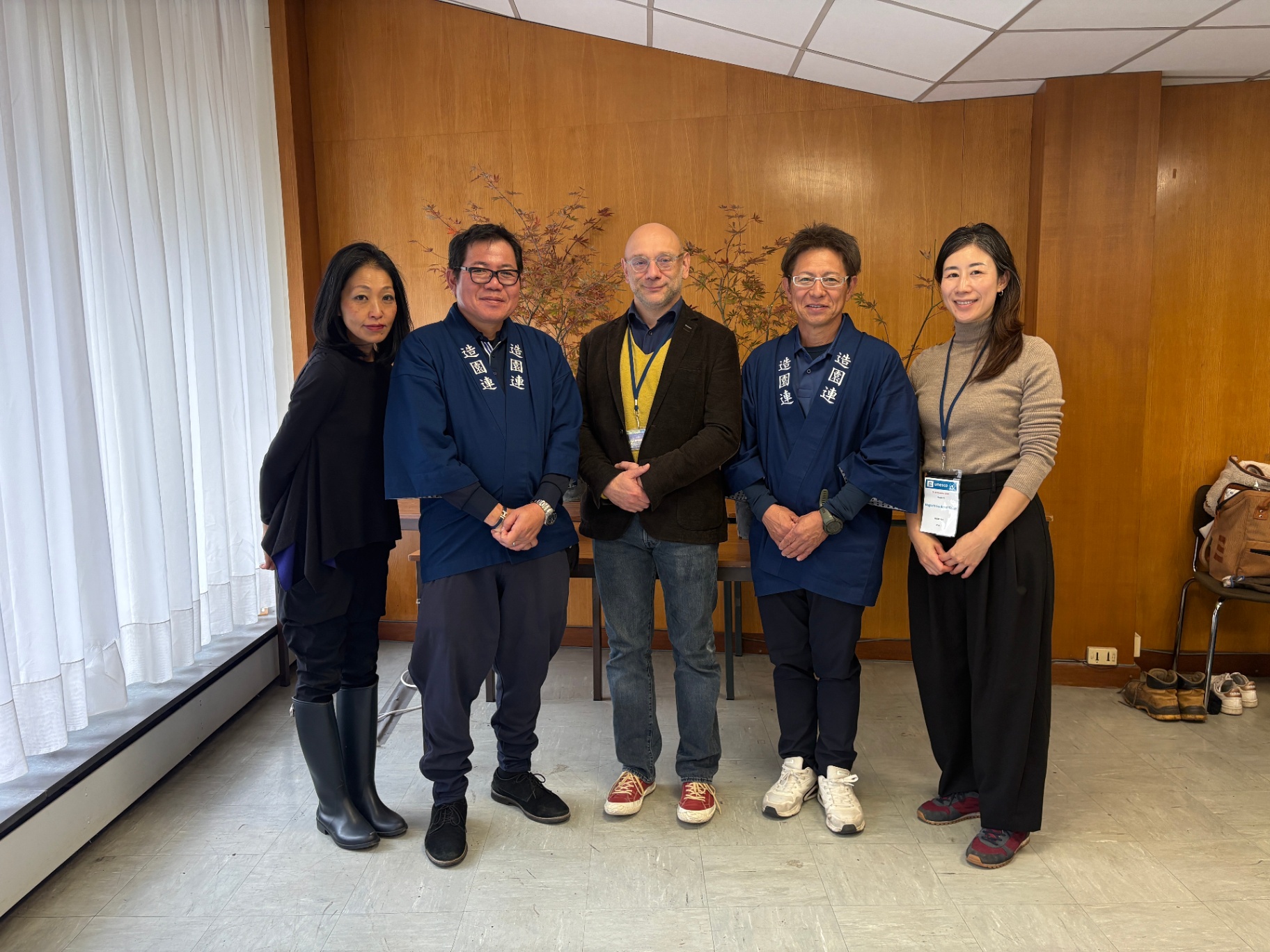
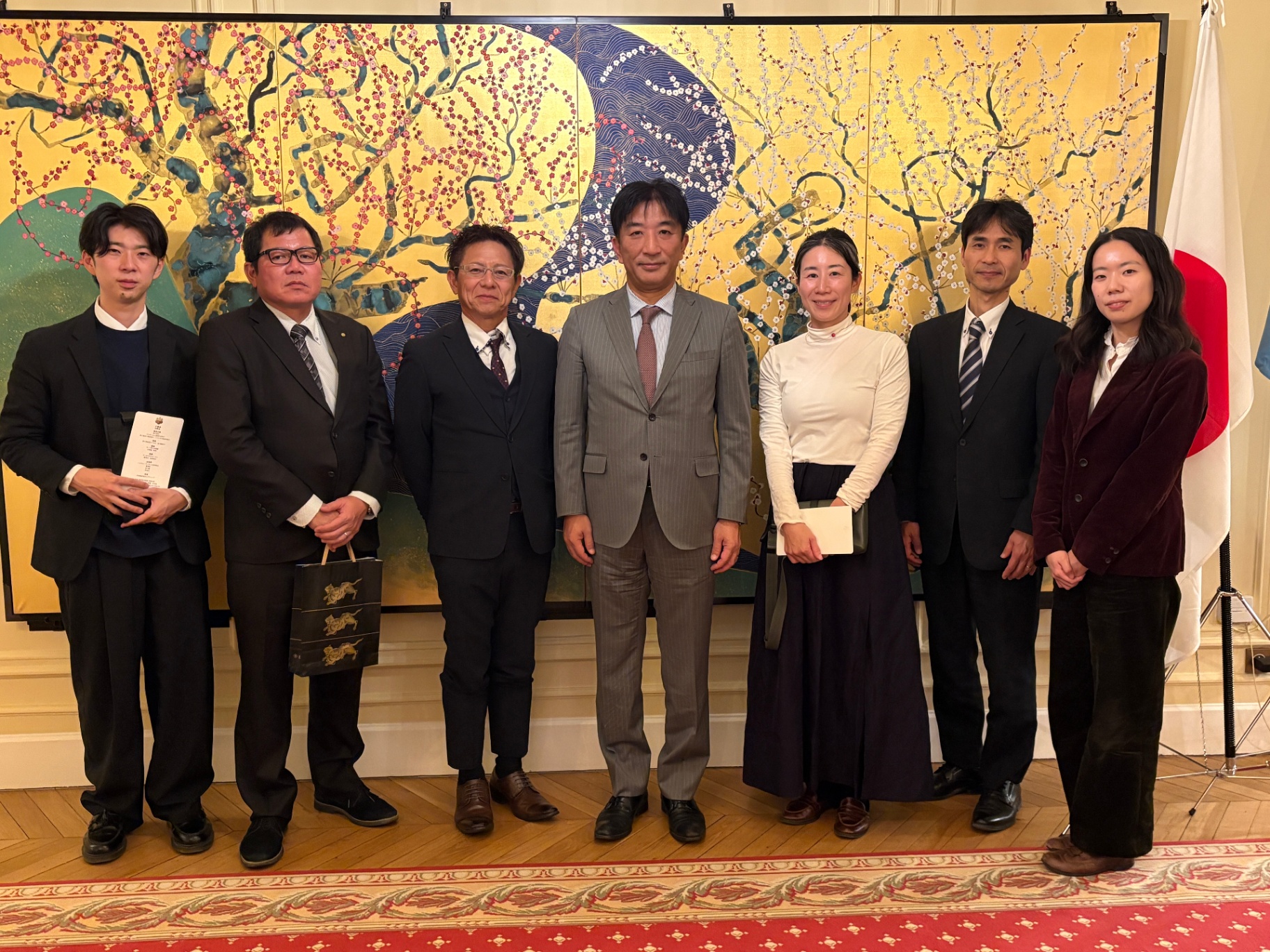
Your support has made these activities possible. We sincerely thank every one of you for helping us protect and pass on this unique garden and its cultural significance to future generations.


リターンを選ぶ